How to Remove Candle Wax from Fabric
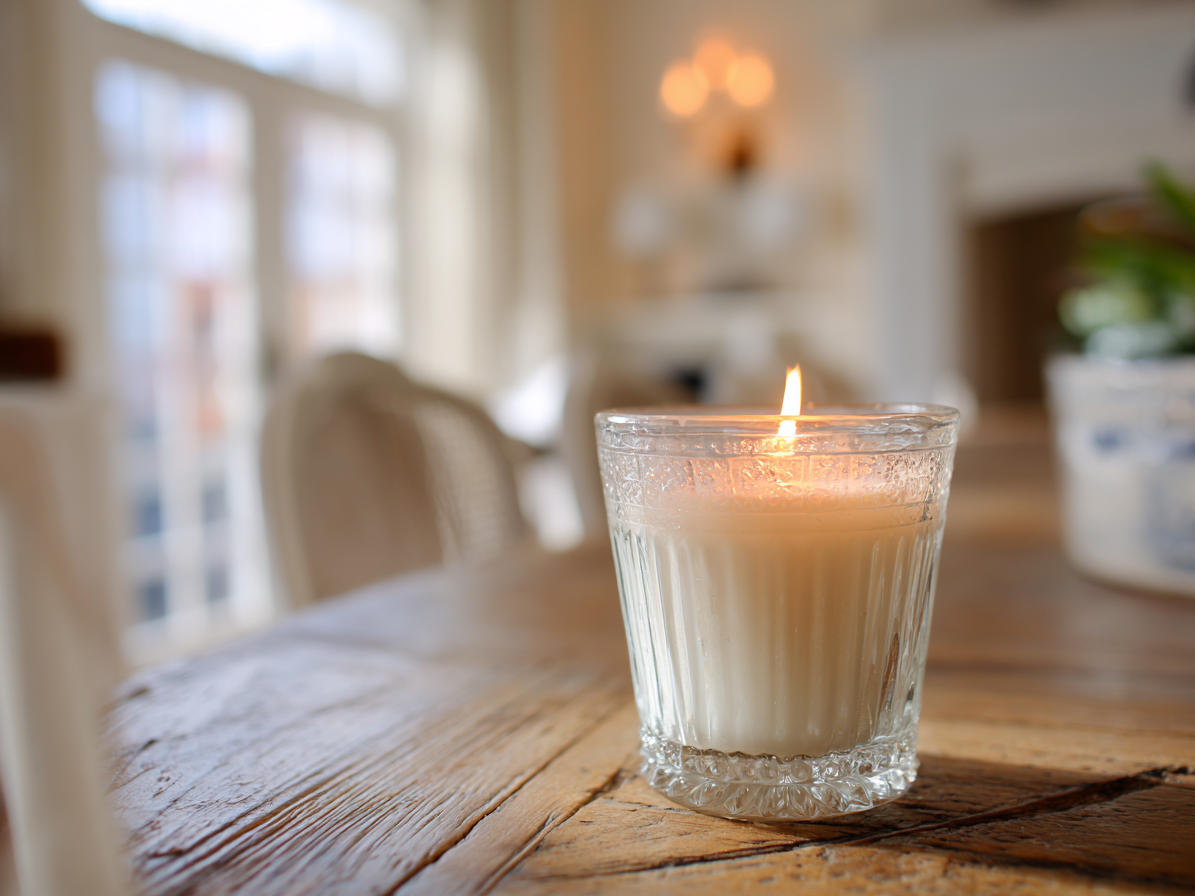
A candle tips over during dinner, wax drips onto your tablecloth, or a sleeve brushes against a burning candle. It happens. And the instinct to scrape it off immediately or run hot water over it is exactly wrong.
Candle wax removal is one of those rare fabric care situations where patience and a counterintuitive approach give you the best result. Here's the full method.
Step One: Let It Harden
This is the most important instruction in this entire article. Do not try to wipe, rub, or wash wax while it's still warm or liquid. Warm wax spreads. It pushes deeper into the fibers and expands the affected area.
Let the wax cool and harden completely. You can speed this up by placing an ice cube in a plastic bag on top of the wax. Once the wax is fully solid and brittle, you're ready to start.
Step Two: Scrape Off the Excess
Use the back of a butter knife, a credit card, or a spoon to gently scrape off as much hardened wax as possible. Work carefully, especially on delicate fabrics. The goal is to remove the bulk of the wax sitting on the surface without damaging the fibers underneath.
On tightly woven fabrics like cotton or linen, you can be a bit more aggressive. On delicate fabrics like silk or fine knits, use a lighter touch.
Step Three: The Iron and Paper Method
This is the classic technique, and it works remarkably well.
What you need: An iron, plain white paper towels or a brown paper bag (not printed, as ink can transfer), and a clean pressing cloth.
Steps:
- Place the stained fabric between two layers of paper towel (or brown paper). Paper on top, paper underneath, fabric with the wax stain in the middle.
- Set your iron to a low to medium heat setting. No steam. Steam can set certain dye-based stains if the candle was colored.
- Press the iron gently onto the top layer of paper. Hold it for a few seconds, then lift.
- The heat melts the wax, which wicks up into the paper towel. You'll see the wax stain transferring from the fabric to the paper.
- Move to a clean section of paper towel and repeat. Keep doing this until no more wax transfers.
- Replace the paper towels as they absorb wax. Using a saturated paper towel just pushes wax back into the fabric.
This method works on: Cotton, linen, polyester, denim, and most washable fabrics. It's safe for most home textiles like tablecloths, napkins, and upholstery fabric.
Step Four: Treat the Residual Stain
After the wax itself is removed, you'll often find a residual mark. This is either a grease stain (from the oils and paraffin in the wax) or a dye stain (if the candle was colored).
For the Grease Residue
Apply a small amount of liquid dish soap directly to the remaining mark. Work it in gently with your fingertip. Let it sit for 10 to 15 minutes, then wash the garment on the warmest setting the care label allows.
For stubborn grease marks, apply a pre-treatment stain remover or sprinkle baking soda on the area and let it sit for 30 minutes to absorb the oil before washing.
For Colored Wax Dye Stains
Colored candle wax leaves a dye residue that's separate from the wax itself. After removing the wax and treating the grease:
For white fabrics: Apply hydrogen peroxide (3%) or oxygen bleach directly to the dye stain. Let it sit for 30 minutes, then wash.
For colored fabrics: Use oxygen bleach (which is color-safe) dissolved in water. Soak the stained area for one to two hours, then wash. Rubbing alcohol applied with a cotton ball can also help lift candle dye from fabrics. Test in a hidden area first.
For stubborn colored wax dye: Multiple treatments may be needed. The dye from colored candles can be more persistent than the wax itself.
Fabric-Specific Guidance
Cotton and linen: The iron method works perfectly. These fabrics handle heat well and the wax lifts cleanly. Full wash after treatment.
Polyester: Use a lower iron temperature than you would for cotton. Polyester is heat-sensitive, and too much heat can melt or distort the fabric. Keep the iron on the lowest setting and work slowly.
Silk: Do not use the iron method. The heat and pressure can damage silk permanently. Instead, after scraping off the hardened wax, place the silk in the freezer for 30 minutes. The wax will become very brittle and you can gently crack and peel off more of it. For any remaining residue, take the garment to a dry cleaner.
Wool: The iron method works on wool but use low heat and a press cloth between the iron and the paper towel layer. Wool is more heat-sensitive than cotton. Work slowly and check frequently.
Velvet: Do not iron. The heat and pressure will crush the pile. Use the freezing method (place the garment or affected area in the freezer for an hour, then crack and peel the brittle wax). Steam from the reverse side to lift any remaining residue, then brush gently with a velvet brush.
Denim: The iron method works well on denim. The dense weave holds up to heat and the wax lifts cleanly. Follow with dish soap for any grease residue.
Removing Wax from Upholstery and Carpets
For upholstery: The iron-and-paper method works, but use extra caution. Place a paper bag over the wax and use the iron on the lowest setting. Don't press hard. Check frequently. For delicate upholstery fabrics, consult a professional.
For carpet: Same iron-and-paper method. Place a brown paper bag over the wax and press with a warm iron. The wax will wick up into the paper. Move to clean sections of paper until no more wax transfers. Treat any remaining stain with carpet cleaner.
For both: Test the iron temperature on a hidden area first. Some upholstery and carpet fibers (especially synthetics) can melt or distort with heat.
What Not to Do
Don't scrape warm wax. It spreads.
Don't use printed paper towels. The ink can transfer to the fabric when heated.
Don't use high heat. Even on cotton, medium heat is sufficient to melt wax. High heat risks scorching the fabric or setting dye stains from colored candles.
Don't skip the grease treatment. Removing the wax is only half the job. The oily residue left behind will attract dirt and become a persistent stain if you don't treat it.
Don't use a hairdryer as a substitute for an iron. A hairdryer blows hot air, which can spread the melted wax outward rather than pulling it upward into the paper.
Quick Reference
| Step | What to Do | Why |
|---|---|---|
| 1. Harden | Let wax cool completely. Use ice if needed. | Prevents spreading |
| 2. Scrape | Remove bulk wax with knife or card | Removes surface wax |
| 3. Iron | Low heat, paper towel method | Melts and wicks remaining wax |
| 4. Degrease | Dish soap on residual mark | Handles oily residue |
| 5. Dye stain | Oxygen bleach or peroxide if colored wax | Removes candle dye |
| 6. Wash | Warmest setting per care label | Final clean |
Candle wax on fabric feels like a disaster in the moment, but it's one of the most straightforward stains to remove if you approach it methodically. Let it harden, lift it out with heat and paper, treat what's left, and it's done. The iron-and-paper method has been working for generations because the physics are simple: heat melts wax, paper absorbs it.
Like these stories? You will (probably) love our monthly newsletter.




Member discussion