How to Remove Berry Stains from Fabric
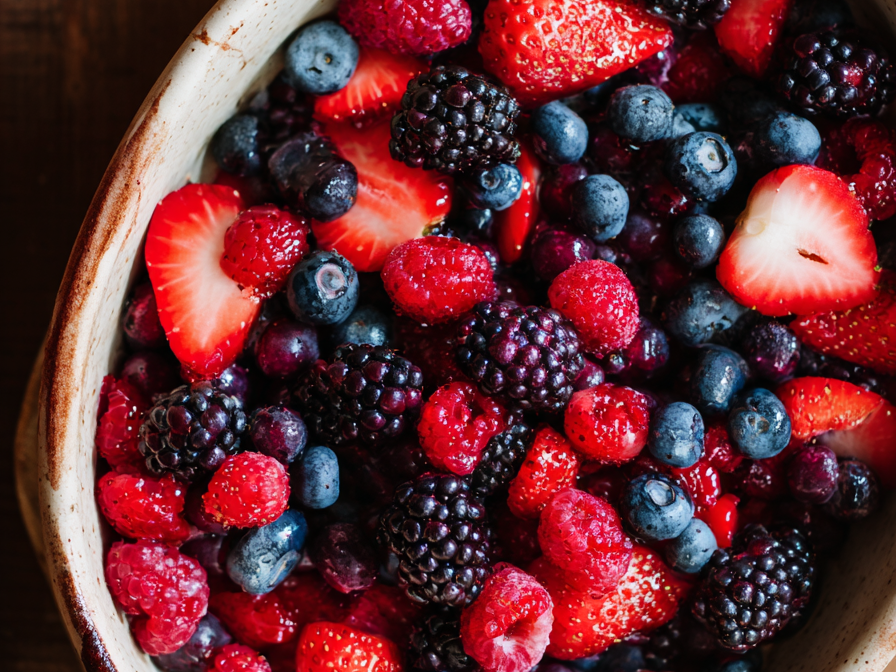
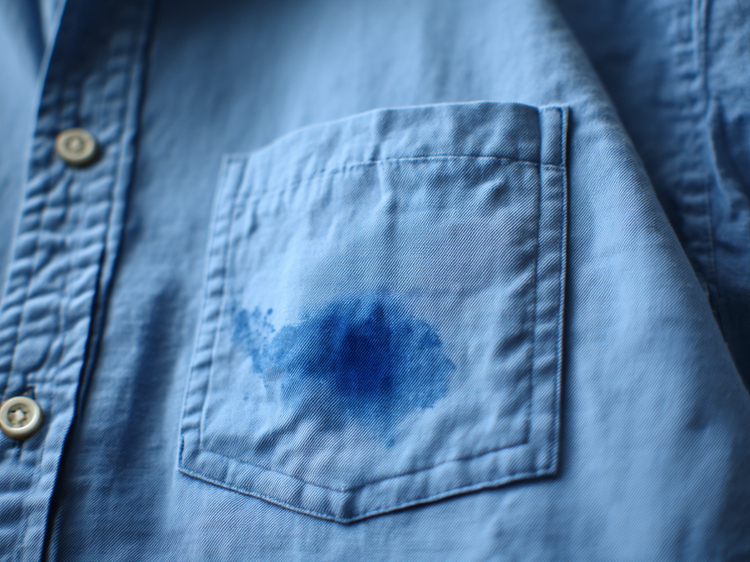
Berries are some of the most intensely pigmented foods you'll encounter. Blueberries, blackberries, raspberries, strawberries, and their juices leave stains that are vivid, fast-acting, and surprisingly stubborn. The pigments responsible (anthocyanins) are the same compounds that give these fruits their deep reds, blues, and purples, and they bond to fabric fibers quickly.
The approach is similar to red wine stains, which share the same family of pigments. Here's how to handle them.
Why Berry Stains Are Difficult
Anthocyanins are water-soluble plant pigments that behave like natural dyes. When berry juice contacts fabric, the pigment begins bonding to the fibers almost immediately. The longer it sits, the deeper the bond. Heat accelerates this process dramatically, which is why a berry stain that goes through a hot dryer becomes nearly impossible to remove.
The silver lining: because anthocyanins are water-soluble, they respond well to treatment while they're still fresh. Speed matters more with berry stains than with almost any other type.
Immediate Action: The First 60 Seconds
Blot the stain. Use a clean white cloth or paper towel to absorb as much juice as possible. Press firmly but don't rub. Rubbing spreads the pigment outward and pushes it deeper into the fibers.
Flush with cold water from the back. Turn the fabric over and run cold water through the stain from the reverse side. This pushes the pigment out the way it came in. You'll see the water running purple or red. Keep flushing until the water runs mostly clear.
Do not use hot water. Hot water sets anthocyanin stains. Cold water only until the stain is fully treated.
Method 1: Boiling Water Pour (Cotton and Linen Only)
This is the most dramatic and effective method for fresh berry stains on durable, heat-tolerant fabrics.
Steps:
- Boil a kettle of water.
- Stretch the stained fabric taut over a bowl or sink, stain side up. You can secure it with a rubber band.
- From a height of about 12 inches, pour the boiling water directly through the stain in a steady stream.
- The force and heat of the water passing through the fabric flushes the pigment out. This sounds counterintuitive given the "no hot water" rule, but the difference is that the boiling water passes through the fabric instantly rather than soaking in. The heat breaks the pigment bond on contact while the force flushes it out.
Use this only on cotton and linen. Do not use this on silk, wool, polyester, or any fabric with stretch (spandex/elastane). Check the care label first.
Method 2: Vinegar and Dish Soap
Best for: Fresh to moderately set berry stains on most washable fabrics.
Steps:
- After blotting and cold-rinsing, apply white vinegar directly to the stain. Let it sit for 5 minutes.
- Apply a small amount of liquid dish soap on top of the vinegar. Work it in gently with your fingers.
- Let the combination sit for 15 minutes.
- Rinse with cold water.
- Repeat if the stain is still visible.
- Wash on the coldest setting with regular detergent.
Why it works: Vinegar's acidity destabilizes anthocyanins, and dish soap handles any sugar or oil component in the berry residue.
Method 3: Lemon Juice and Salt
Best for: Fresh berry stains, especially on white or light-colored natural fibers.
Steps:
- Squeeze fresh lemon juice directly onto the stain (or use bottled lemon juice).
- Sprinkle table salt generously over the lemon juice.
- Let it sit for 30 minutes. The salt acts as a gentle abrasive and helps draw the pigment out, while the citric acid breaks down the anthocyanin.
- Brush off the salt and rinse with cold water.
- Wash as normal.
Note: Lemon juice has mild bleaching properties. Test on a hidden area of colored fabrics first.
Method 4: Oxygen Bleach Soak
Best for: Set-in berry stains and stains that have survived a wash cycle (but not the dryer).
Steps:
- Dissolve oxygen bleach (like OxiClean) in cool water according to package directions.
- Submerge the stained garment and soak for one to four hours. For stubborn stains, soak overnight.
- Wash as normal.
- Check the stain before drying. Repeat if needed.
Oxygen bleach is color-safe and works on most fabrics. It's your best tool for berry stains that have had time to set.
Method 5: Hydrogen Peroxide (White Fabrics)
For white cotton, linen, or polyester with a set-in berry stain:
- Apply 3% hydrogen peroxide directly to the stain.
- Let it sit for 30 minutes to an hour.
- Rinse with cold water.
- Wash as normal with your regular detergent.
Do not use on colored fabrics. Peroxide will lighten or bleach dyed fibers.
Fabric-Specific Guidance
Cotton: All methods work. Start with the boiling water pour for fresh stains; it's the fastest and most effective. For set-in stains, move to oxygen bleach.
Linen: Same as cotton. Linen handles heat and acids well.
Polyester: Berry stains bond less aggressively to synthetic fibers. Dish soap and vinegar usually handle it in one round. Warm water is fine for the wash cycle.
Silk: Use cold water and the vinegar method only. Apply very gently. Avoid lemon juice, which can damage silk. For valuable silk pieces, take them to a dry cleaner immediately with a description of the stain.
Wool: Cold water only. Use the vinegar and dish soap method gently. Do not use the boiling water method. Enzyme-based stain removers are also safe for wool and effective on berry pigments.
Denim: Pre-treat with dish soap, let it sit, then wash cold. Denim is durable enough for all methods except boiling water (which isn't necessary since the dish soap method works well on denim's tight weave).
Smoothie and Jam Stains
Berry smoothies and jams contain the same anthocyanin pigments plus additional sugars and sometimes dairy. Treat them the same way but add an extra step:
For smoothies with milk or yogurt: Rinse with cold water first (hot water cooks the dairy protein onto the fabric). Then treat the berry pigment as described above.
For jam and preserves: Scrape off the solid jam first with a knife or spoon. Then flush and treat. The pectin in jam makes it slightly stickier, but the pigment treatment is the same.
What Not to Do
Don't use hot water on an untreated berry stain. Heat sets anthocyanin pigments.
Don't put a berry-stained garment in the dryer. The heat makes the stain permanent. Air dry until you're sure the stain is gone.
Don't rub the stain. Blot and flush only. Rubbing spreads the pigment.
Don't use bar soap on a fresh berry stain. Some bar soaps are alkaline, and alkaline conditions can actually fix anthocyanin pigments more firmly to certain fibers. Stick with liquid dish soap or the methods above.
Quick Reference
| Scenario | Best Method | Key Step |
|---|---|---|
| Fresh stain, cotton/linen | Boiling water pour | Act within minutes |
| Fresh stain, any fabric | Vinegar + dish soap | Cold rinse first |
| Light fabric, fresh | Lemon juice + salt | Test for colorfastness |
| Set-in stain | Oxygen bleach soak, 1-4 hours | Don't dry until gone |
| White fabric, stubborn | Hydrogen peroxide | 30 min, then wash |
Berry stains are a race against the clock. The faster you flush with cold water and start treatment, the higher your success rate. Anthocyanins bond fast but they also dissolve fast when the chemistry is right. Cold water, acid (vinegar or lemon), and oxygen bleach are your three best tools.
Like these stories? You will (probably) love our monthly newsletter.

Member discussion