How to Store Winter Clothes (Seasonal Guide)
The way you pack your winter wardrobe away in spring determines the condition you find it in next fall. Toss everything in a garbage bag and shove it in the attic, and you will open it six months later to find yellowed sweaters, musty coats, moth-eaten wool, and stubborn creases that no amount of steaming will remove.
Proper seasonal storage takes about two hours once a year and saves you hundreds in replacement costs. Here is how to do it right.
Step 1: Wash Everything Before Storing
This is the step people skip, and it is the one that causes the most damage.
Body oils, perfume, food stains, and invisible perspiration residue attract moths and insects. Even garments that look clean may carry enough residue to become a moth buffet over six months of dark, undisturbed storage. Moths are not attracted to the fiber itself. They are attracted to the organic material on the fiber.
Wash or dry clean every item before packing it away. Pay special attention to sweaters, scarves, and anything you wore close to your skin. If a garment’s care label says dry clean, take it to the dry cleaner before storage, not after you pull it out next season.
For knitwear and delicates, follow the specific care instructions for each fiber. Hand wash cashmere and silk. Machine wash cotton and synthetics. Make sure everything is completely dry before storing. Even slight dampness causes mildew.
Step 2: Repair Before You Store
Take 15 minutes to inspect your winter clothes for damage. Loose buttons, small tears, missing hooks, failing hems. Fix them now, while you remember. You will not remember in October, and you will not want to sew a button when you are rushing to dress for the first cold day.
If you find moth damage (small holes, particularly in wool or cashmere), separate those items immediately. Wash them thoroughly to kill any remaining larvae. Inspect nearby garments for signs of infestation.
Step 3: Choose Your Storage Method
For Knitwear (Sweaters, Cardigans, Scarves)
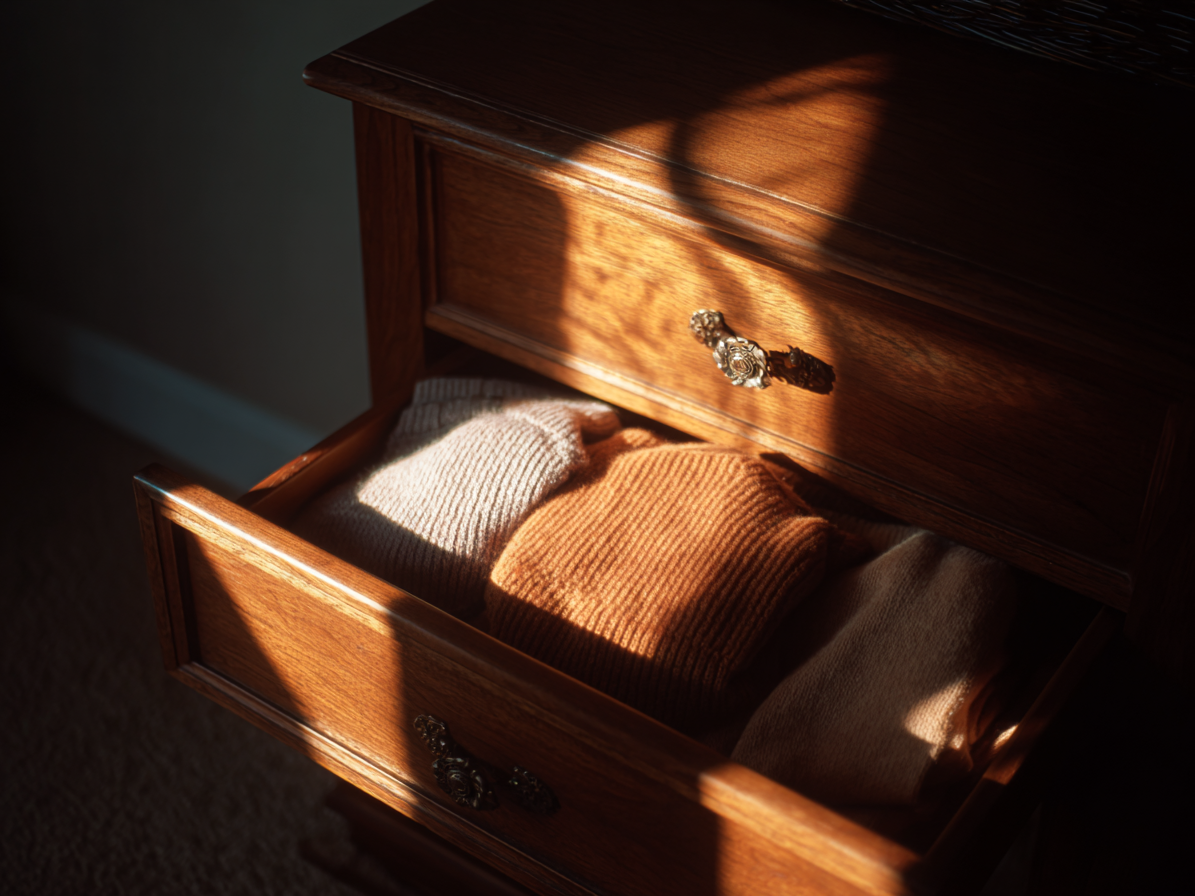
Fold, do not hang. Hanging stretches knit garments over time, especially at the shoulders. Gravity pulls the fibers downward and distorts the shape. Fold each sweater neatly and stack them in your storage container.
Place a layer of acid-free tissue paper between each garment. This prevents color transfer between items and reduces friction that causes pilling.
For Coats and Structured Garments
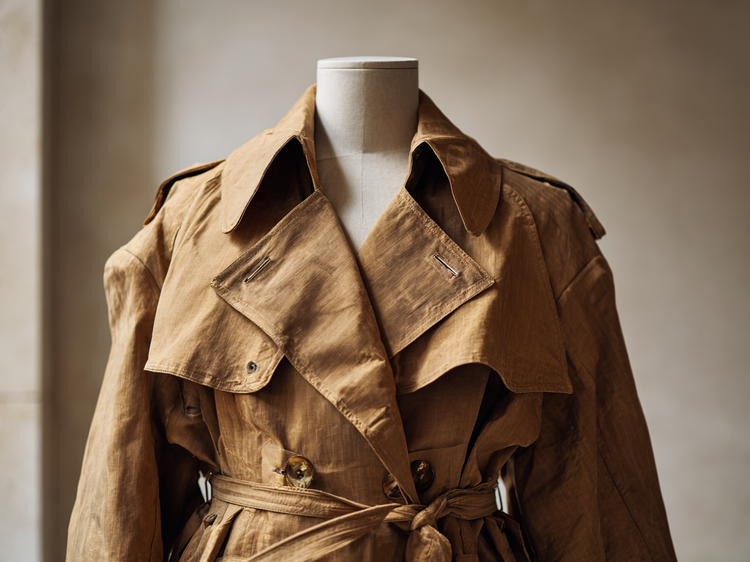
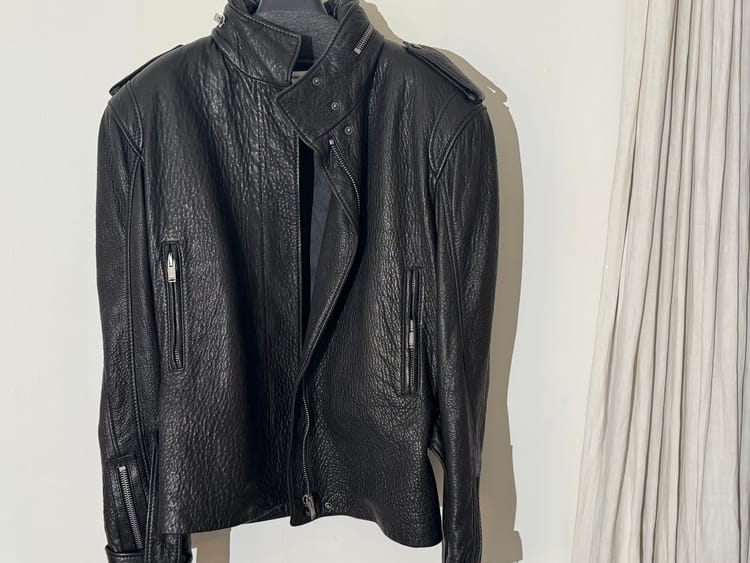
Hang these on broad, padded hangers inside breathable garment bags. Cotton canvas bags are ideal. Never use plastic dry cleaning bags for long-term storage. Plastic traps moisture and off-gases chemicals that yellow fabric over time.
Button or zip coats closed before hanging to help them maintain their shape. Leave enough space between hanging garments for air to circulate.
For Down Jackets and Puffer Coats
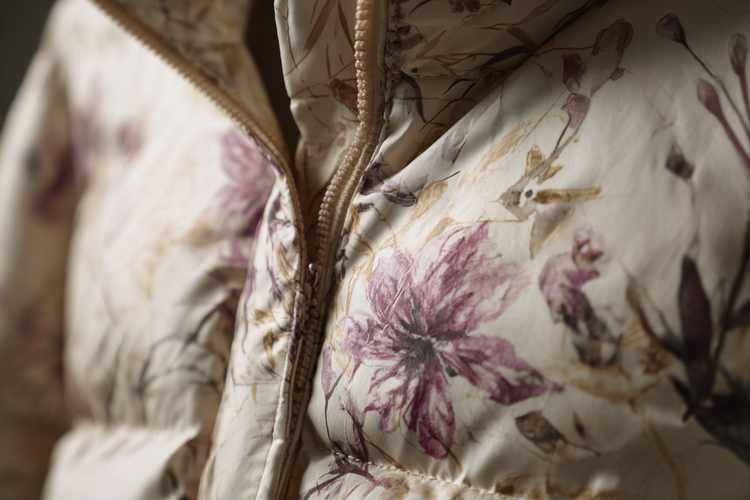
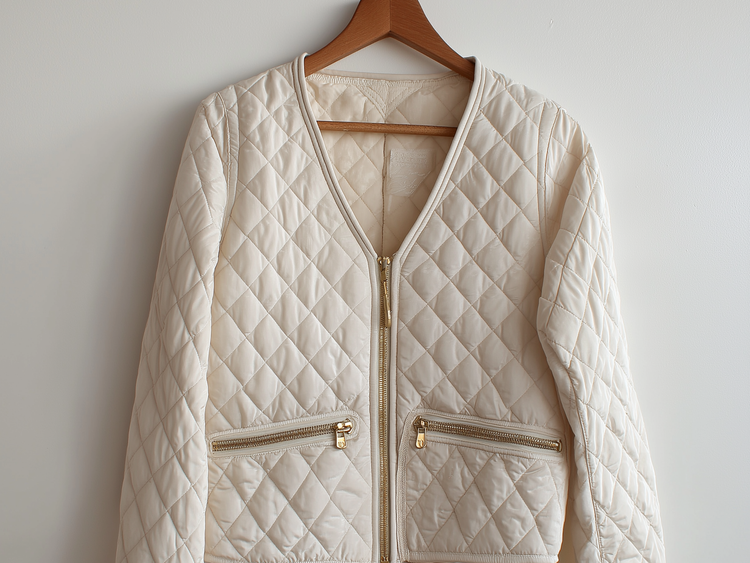
Store down loosely. Compressing a down jacket for months damages the loft of the fill, which reduces its insulating ability. If you must compress it for space, use a large cotton storage bag rather than a vacuum-sealed bag. Vacuum sealing crushes the down clusters permanently.
Ideally, hang down jackets on a broad hanger in a breathable bag. If space is limited, fold loosely and store in the largest container you have.
For Boots and Leather Shoes
Clean and condition leather before storing. Insert boot shapers or stuff with acid-free tissue paper to hold the shape. Store upright in a cool, dry location. Never store boots folded over, as this creates permanent creases in the shaft.
Step 4: Choose Your Storage Container
Best: Cedar-Lined Chest or Drawer
Cedar naturally repels moths and absorbs moisture. A cedar chest or cedar-lined drawer is the gold standard for storing wool, cashmere, and silk. Sand the cedar lightly once a year to refresh its scent, as the oils that repel moths diminish over time.
Good: Breathable Cotton or Canvas Storage Bags
These allow air circulation while protecting garments from dust and light. Look for bags with a clear window panel so you can identify contents without opening. Available from The Container Store, IKEA, and Amazon.
Acceptable: Plastic Storage Bins with Lids
Plastic bins protect against pests and moisture, but they do not breathe. If you use plastic, make sure every item is completely dry before sealing. Add cedar blocks or lavender sachets inside for moth deterrence. Crack the lid every few weeks if possible to allow air exchange.
Avoid: Cardboard Boxes
Cardboard absorbs moisture, attracts insects, and provides no protection against pests. It also deteriorates over time, leaving dust and fibers on your clothes. If cardboard is your only option, line it with acid-free tissue paper and add cedar blocks.
Never: Vacuum-Sealed Bags
Vacuum bags are tempting because they save space. But the extreme compression damages natural fibers, crushes down fill permanently, creates deep set creases in wool, and removes the air circulation that prevents mildew. They are acceptable for synthetic items you do not care about preserving long-term. They are not acceptable for wool, cashmere, silk, or down.
Step 5: Moth Prevention
Moths are the single biggest threat to stored winter clothes. A single moth can lay 50 to 100 eggs, and the larvae that hatch eat through wool, cashmere, silk, and any other natural protein fiber.
Cedar
Cedar blocks, rings, or panels placed in your storage area repel moths naturally. The aromatic oils in cedar disrupt moth pheromone detection, making it harder for them to find your clothes. Replace or sand cedar every 12 months to maintain effectiveness.
Lavender
Dried lavender sachets are a traditional moth deterrent. They are pleasant-smelling, non-toxic, and effective. Replace every season, as dried lavender loses its potency over several months. You can also use lavender essential oil on cotton balls, placed in the storage container but not touching the garments.
Mothballs
Mothballs work, but they contain naphthalene or paradichlorobenzene, both of which are toxic chemicals. The smell permeates garments and is difficult to remove. The chemicals can irritate skin and are harmful if inhaled in enclosed spaces. Use cedar and lavender instead. If you have had a severe moth infestation and need stronger protection, consult a professional pest control service rather than relying on mothballs.
Pheromone Traps
Sticky pheromone traps attract and capture adult male moths, breaking the breeding cycle. These are monitoring tools, not a complete solution. They will not stop an active infestation, but they tell you whether moths are present so you can act before damage occurs. Place them in closets and storage areas and check monthly.
Step 6: Choose the Right Location
Where you store matters as much as how you store.
• Temperature: Cool and consistent. Ideally between 60 and 70°F (15 to 21°C). Temperature swings cause condensation, which leads to mildew.
• Humidity: Low and stable. Below 50% relative humidity is ideal. High humidity promotes mold, mildew, and insect activity.
• Light: Dark or dimly lit. Sunlight fades fabric and weakens fibers over time.
• Air circulation: Moderate. Some airflow prevents mustiness. A bedroom closet or spare room is better than a sealed trunk in a corner.
Best Locations
A bedroom closet, a spare room closet, or a climate-controlled area of your home. These locations maintain consistent temperature and humidity year-round.
Worst Locations
Attics (too hot in summer, too cold in winter, temperature swings cause condensation). Basements (too damp, prone to flooding, attracts pests). Garages (extreme temperature fluctuations, dust, exposure to chemicals). Storage units without climate control.
The Fall Retrieval
When you pull your winter clothes out in the fall, give each item a once-over before wearing. Check for moth damage, mildew, or musty smells. Air everything out for a few hours in a well-ventilated room. Steam or iron as needed to release storage creases.
Knitwear may feel slightly compressed after months of folded storage. Lay it flat on a clean surface for a day and it will regain its natural shape. Cashmere and wool are remarkably resilient if they were stored properly.
Down jackets may need a quick tumble in the dryer on low heat with dryer balls to restore loft. Five to ten minutes is enough.
A Seasonal Storage Checklist
• Wash or dry clean every item.
• Repair loose buttons, tears, and failing hems.
• Fold knitwear with acid-free tissue between layers.
• Hang coats on broad padded hangers in breathable garment bags.
• Store down loosely, never vacuum-sealed.
• Add cedar blocks or lavender sachets.
• Place pheromone traps as monitors.
• Store in a cool, dark, dry location with consistent temperature.
• Avoid attics, basements, and garages.
• Check stored items once a month if possible.
Two hours of preparation in spring protects a wardrobe that took years to build. Every cashmere sweater, every wool coat, every down jacket is an investment in how you present yourself to the world. Storing them well is not fussy. It is practical. It is the quiet discipline that separates a wardrobe that lasts from one that needs replacing every few seasons.
Like these stories? You will (probably) love our monthly newsletter.

Member discussion