How to Remove Makeup Stains from Clothes
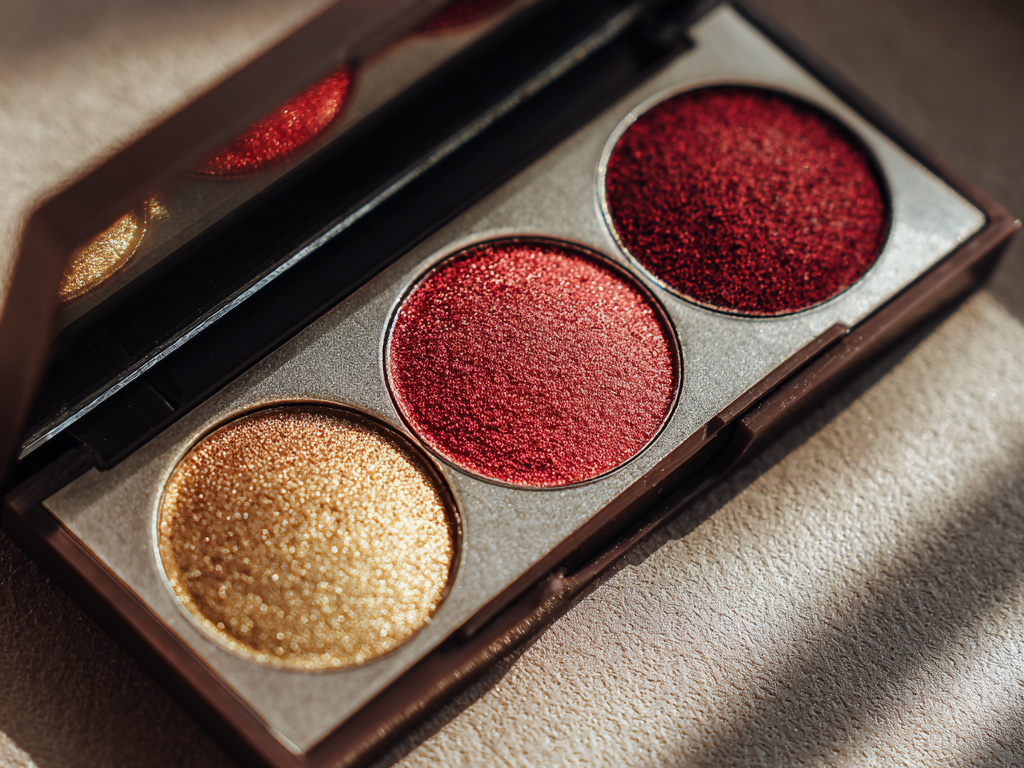
Makeup stains are some of the most common and most dreaded fabric problems. A swipe of foundation on a white collar, mascara on a pillowcase, lipstick on a napkin. The challenge is that makeup is engineered to stay put. The same properties that keep your makeup on your face all day also make it resist removal from fabric.
The key to removing makeup stains is understanding what the product is made of. Most makeup is either oil-based, wax-based, or a combination of both, plus pigment. Treatment always starts with dissolving the oil or wax carrier, which releases the pigment so it can be washed away.
Foundation and Concealer
Foundation is the most common makeup stain on clothing, especially around necklines, collars, and cuffs.
Liquid Foundation (Oil-Based or Water-Based)
Step 1: Scrape off any excess foundation with a dull knife or the edge of a credit card. Do not rub it in.
Step 2: Apply a small amount of clear liquid dish soap directly to the stain. Dish soap is a surfactant that breaks down both oil and pigment.
Step 3: Work the soap into the fabric gently with your fingers or a soft toothbrush. Use small circular motions.
Step 4: Rinse with warm water. Warm water helps dissolve the oil base more effectively than cold.
Step 5: Check the stain. If pigment remains, apply a small amount of rubbing alcohol on a cotton ball and dab the area. The alcohol dissolves the pigment that the soap missed.
Step 6: Machine wash as normal. Check before drying.
Powder Foundation and Setting Powder
Powder makeup sits on the surface of fabric rather than penetrating immediately. Do not rub or brush at it, which pushes the powder into the fibers.
Step 1: Blow gently on the powder or shake the garment to remove loose particles. A piece of tape pressed onto the area can also lift surface powder.
Step 2: If a mark remains, the powder has likely combined with body oil on the fabric. Treat as a liquid foundation stain with dish soap.
Lipstick
Lipstick is wax-based with heavy pigment, making it one of the more stubborn makeup stains. The wax acts as a binder that holds the color against the fabric.
Step 1: Scrape off as much lipstick as possible with a dull edge. Remove the bulk before treating.
Step 2: Apply rubbing alcohol to a cotton ball and dab the stain from the outside inward. The alcohol dissolves the wax carrier and releases the pigment. You will see color transferring to the cotton ball.
Step 3: Once there are no more color transfers, apply dish soap to the area and work it in gently.
Step 4: Rinse with warm water and machine wash.
For bold or long-wear lipstick formulas that resist alcohol, a dab of micellar water (the same product used for makeup removal from skin) can be effective. Apply to a cotton pad and blot the stain.
Mascara
Mascara is typically a combination of waxes, oils, and carbon black or iron oxide pigments. Waterproof mascara adds silicone polymers that make it significantly harder to remove.
Regular Mascara
Step 1: Let any wet mascara dry before treating. Wet mascara smears when rubbed.
Step 2: Once dry, gently scrape off any flaky residue.
Step 3: Apply dish soap directly to the stain and work it in with a toothbrush.
Step 4: Rinse with warm water. Machine wash.
Waterproof Mascara
Waterproof formulas require an oil-based solvent. Apply a small amount of micellar water, coconut oil, or an oil-based makeup remover to the stain. Let it sit for 5 minutes to dissolve the silicone polymers. Then treat with dish soap to remove the oil, rinse, and wash. You may need to repeat the oil-then-soap sequence twice for heavily set stains.
Eyeliner and Eye Shadow
Pencil Eyeliner
Pencil eyeliner is wax-based and responds to the same treatment as lipstick. Scrape off excess, dab with rubbing alcohol, follow with dish soap, and wash.
Liquid and Gel Eyeliner
These are typically water-based with strong pigments. Flush with cold water from the back of the stain. Apply dish soap, work in gently, and wash. For waterproof formulas, pretreat with micellar water or oil-based remover before the soap step.
Eye Shadow
Treat like powder foundation. Shake or blow off loose powder first. Then treat any remaining mark with dish soap. Shimmer and glitter eye shadows may leave metallic particles in the fabric. A lint roller after washing can pick up remaining glitter.
Self-Tanner and Bronzer
Self-tanner stains are caused by DHA (dihydroxyacetone), the active ingredient that reacts with skin proteins to create color. When it contacts fabric, DHA reacts with the textile fibers in the same way.
Fresh self-tanner stains respond well to immediate cold water flushing and dish soap. For dried stains, soak in a solution of oxygen-based bleach (OxiClean) and cool water for 2 to 4 hours. The oxygen bleach breaks down the DHA compound. Machine wash after soaking.
Do not use chlorine bleach on self-tanner stains. Chlorine bleach reacts with DHA and can turn the stain green or gray.
Bronzer (powder or cream) is treated like foundation. Dish soap for cream formulas, gentle shaking and soap for powder.
Fabric-Specific Considerations
Cotton and Linen
The most forgiving fabrics for makeup removal. All methods above work safely. White cotton can handle rubbing alcohol, oxygen bleach, and warm water without concern.
Silk
Do not use rubbing alcohol, dish soap, or warm water on silk. For makeup on silk, blot with a clean, dry cloth to remove excess. Apply a small amount of micellar water on a cotton pad and blot gently. Rinse by pressing a cloth dampened with cool water against the area. For significant stains, take the garment to a dry cleaner and specify the type of makeup.
Wool and Cashmere
Use dish soap sparingly, diluted with cool water. Blot rather than rub. For oil-based makeup, the cornstarch absorption method (sprinkle, wait, brush off) is safer than rubbing alcohol on wool. For valuable garments, professional cleaning is the best choice.
Synthetics
Polyester and nylon respond well to all methods above. Rubbing alcohol is safe. Warm water is safe. Synthetics release makeup stains more easily than natural fibers because the smooth filaments do not absorb pigment as deeply.
The Pillowcase Problem
Makeup on pillowcases is a nightly occurrence for anyone who does not fully remove their makeup before bed. Foundation, concealer, and mascara transfer onto the fabric every night and build up over time into a permanent discoloration.
The best defense is removing makeup before bed. But for the pillowcases that have already accumulated stains, soak them in warm water with oxygen-based bleach for 2 to 4 hours, then wash on warm. For silk pillowcases, use a gentle detergent and cool water. Consider switching to a dark-colored or patterned pillowcase on your primary pillow if nightly makeup removal is not realistic.
Prevention
• Apply makeup after dressing, not before. Or drape a large scarf or towel over your clothes while applying.
• Set foundation and concealer with setting powder and spray. Properly set makeup transfers less to collars and necklines.
• Keep micellar water and cotton pads in your desk or bag for quick spot treatment of fresh transfer stains.
• Use a makeup-setting spray on areas that contact clothing, particularly the jawline and neck.
Like these stories? You will (probably) love our monthly newsletter.
Member discussion