How to Remove Ink Stains from Clothes
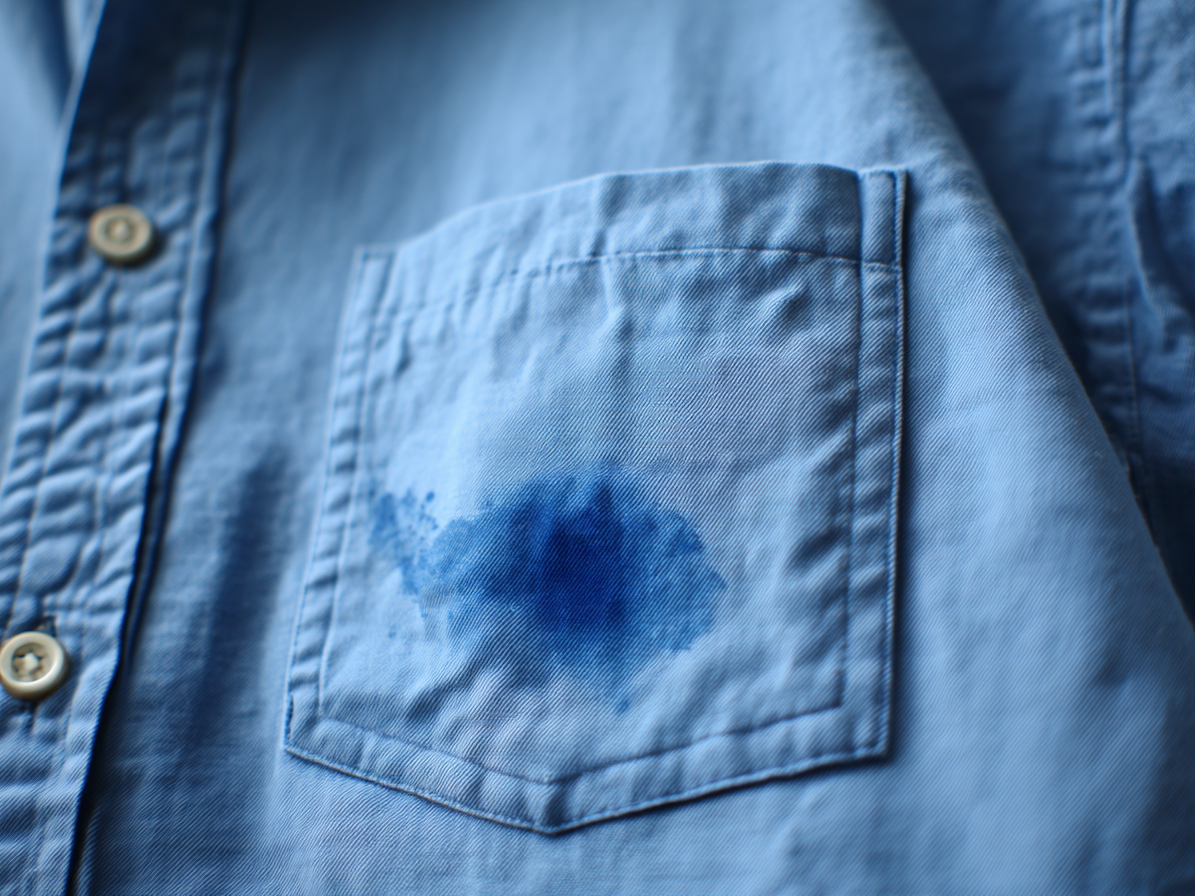
Ink stains are among the most frustrating fabric problems because the treatment depends entirely on the type of ink. A ballpoint pen stain requires a different approach than a fountain pen stain, which requires a different approach than a permanent marker. Using the wrong method can set the stain or spread it further.
The good news is that most ink stains are removable if you identify the ink type and act accordingly. Here is how to handle each one.
Identify the Ink Type
Before you treat an ink stain, figure out what made it. This determines everything.
Ballpoint pen: The most common ink stain. Ballpoint ink is oil-based, thick, and sits on or near the surface of the fabric. It responds well to alcohol-based solvents.
Gel pen and rollerball: Water-based ink that is thinner than ballpoint and penetrates fabric more quickly. It responds to a combination of cold water and detergent.
Fountain pen: Water-based or dye-based ink that spreads easily when wet. It often responds well to a cold water flush and gentle detergent.
Permanent marker (Sharpie): Alcohol-based and designed not to wash out. The most difficult ink stain to remove. Requires rubbing alcohol or acetone.
Printer ink: Varies by type. Inkjet printer ink is water-based and responds to cold water. Laser printer toner is a dry powder that should be brushed off before washing (hot water sets toner permanently).
Ballpoint Pen Stains
Ballpoint ink is oil-based, so you need a solvent that dissolves oil. Rubbing alcohol (isopropyl alcohol) is the most effective and accessible option.
Step 1: Place the stained area face down on a clean paper towel or white cloth. The idea is to push the ink out through the back of the fabric onto the absorbent layer beneath.
Step 2: Apply rubbing alcohol to the back of the stain using a cotton ball or a small cloth. Dab, do not rub. You will see the ink transferring onto the paper towel below.
Step 3: Move the fabric to a clean section of the paper towel as the ink transfers. Keep dabbing with fresh alcohol until no more ink transfers.
Step 4: Rinse with cold water.
Step 5: Apply a small amount of liquid dish soap to any remaining discoloration and work it in gently.
Step 6: Machine wash on cold. Check before drying.
An alternative to rubbing alcohol is hairspray, but only the old-fashioned aerosol kind with high alcohol content. Many modern hairsprays have reduced their alcohol content and are less effective. Rubbing alcohol is more reliable.
Hand sanitizer (gel form, high alcohol content) also works in a pinch and is convenient for treating ballpoint stains away from home.
Gel Pen and Rollerball Stains
Gel and rollerball inks are water-based, which makes them easier to remove than ballpoint but more prone to spreading when wet.
Step 1: Flush the stain immediately with cold running water from the back of the fabric. The water pushes the ink out rather than deeper in.
Step 2: Apply liquid dish soap or laundry detergent directly to the stain and work it in gently with your fingers.
Step 3: Let it sit for 10 minutes.
Step 4: Rinse with cold water. If the stain has lightened significantly, machine wash on cold.
Step 5: For stubborn gel ink, soak the stained area in a mixture of one part white vinegar and one part cold water for 30 minutes, then wash.
Fountain Pen Stains
Fountain pen ink varies widely in formulation. Some are water-based, some are iron gall, and some contain shellac. The water-based varieties are the easiest to remove.
Start with a cold water flush from the back of the stain. Most fountain pen inks respond well to this. Follow with mild soap and cold water. For iron gall ink (which turns brown or black over time), a mixture of lemon juice and salt applied to the stain and left for an hour can help break down the iron compounds. Rinse with cold water and wash.
For valuable garments stained with fountain pen ink, professional cleaning is the safest route. Some fountain pen inks contain dyes that bond permanently with certain fibers, and aggressive home treatment can spread the stain.
Permanent Marker Stains
Permanent markers live up to their name. The ink is designed to resist water and most common solvents. Removing it completely is difficult, but significant lightening is usually achievable.
Step 1: Place the stained fabric face down on paper towels.
Step 2: Apply rubbing alcohol (91% concentration is better than 70% for this) to the back of the stain. Dab firmly. The high-concentration alcohol dissolves the ink binder.
Step 3: Rotate the paper towels as ink transfers. Continue until no more ink is released.
Step 4: For the remaining traces, apply a small amount of acetone (nail polish remover) on a cotton ball. Test on an inconspicuous area first, as acetone can dissolve some synthetic fabrics and strip color from others.
Step 5: Rinse with cold water, apply dish soap, and wash on cold.
Expect that some ghost of the stain may remain on lighter fabrics. Multiple treatments over several days, allowing the fabric to dry between treatments, can continue to lighten a permanent marker stain.
Do not use acetone on acetate, triacetate, or modacrylic fabrics. It dissolves them. Check your care label for fiber content before using acetone.
Fabric-Specific Guidance
Cotton and Linen
The most forgiving fabrics for ink removal. All methods above work safely. Cotton and linen tolerate rubbing alcohol, acetone (with care), and vigorous treatment. White cotton can be treated with an oxygen-based bleach soak if staining persists after initial treatment.
Silk
Do not use rubbing alcohol or acetone on silk. Both can damage the fibers and strip the dye. For ink on silk, blot the stain with cold water immediately. Apply a mixture of one part white vinegar and two parts water, blot gently, and rinse. If the stain persists, take it to a dry cleaner immediately. Silk and ink are a difficult combination.
Wool
Rubbing alcohol can be used on wool with caution. Test on a hidden area first. Apply sparingly and blot rather than rub. Follow with a cold water rinse and lay flat to dry. Do not use acetone on wool.
Synthetics
Polyester and nylon handle rubbing alcohol well. Avoid acetone on any synthetic, as it can melt or warp the fibers. The alcohol method works effectively on most synthetic ink stains.
Denim
Rubbing alcohol works well on denim for ballpoint and permanent marker stains. For dark denim, test in a hidden area first, as alcohol can lighten the indigo dye locally. Turn inside out before machine washing.
Leather
Ink on leather is a specialized problem. For ballpoint ink on finished leather, rubbing alcohol on a cotton ball, applied gently and blotted immediately, can work. Follow with leather conditioner to restore moisture. For permanent marker or ink on unfinished or suede leather, professional cleaning is the only safe option.
Printer Ink
Inkjet Ink
Inkjet ink is water-based and responds well to cold water flushing. Act immediately. Run cold water through the back of the stain, apply dish soap, and wash on cold. For dried inkjet stains, soak in cold water with a small amount of ammonia (one tablespoon per cup of water) for 30 minutes before washing.
Laser Toner
Toner is a dry, heat-sensitive powder. Do not use hot water or put the garment in the dryer. Heat fuses toner to fabric permanently. Instead, shake or brush off as much dry toner as possible. Then wash in cold water with detergent. If any toner remains, repeat the cold wash. Only once the stain is completely gone should the garment go in the dryer.
What Not to Do
• Do not rub ink stains. Rubbing spreads the ink outward and pushes it deeper into the fibers. Always blot and dab.
• Do not apply heat until the stain is completely gone. Heat from a dryer or iron sets ink permanently.
• Do not use water first on ballpoint ink. Water does not dissolve oil-based ink and can spread it. Start with alcohol.
• Do not use acetone on silk, acetate, or synthetic fabrics. It dissolves or damages these fibers.
• Do not use bleach on ink stains. Bleach does not dissolve ink and can react with the dye to create a worse stain.
Like these stories? You will (probably) love our monthly newsletter.
Member discussion