How to Care for a Trench Coat
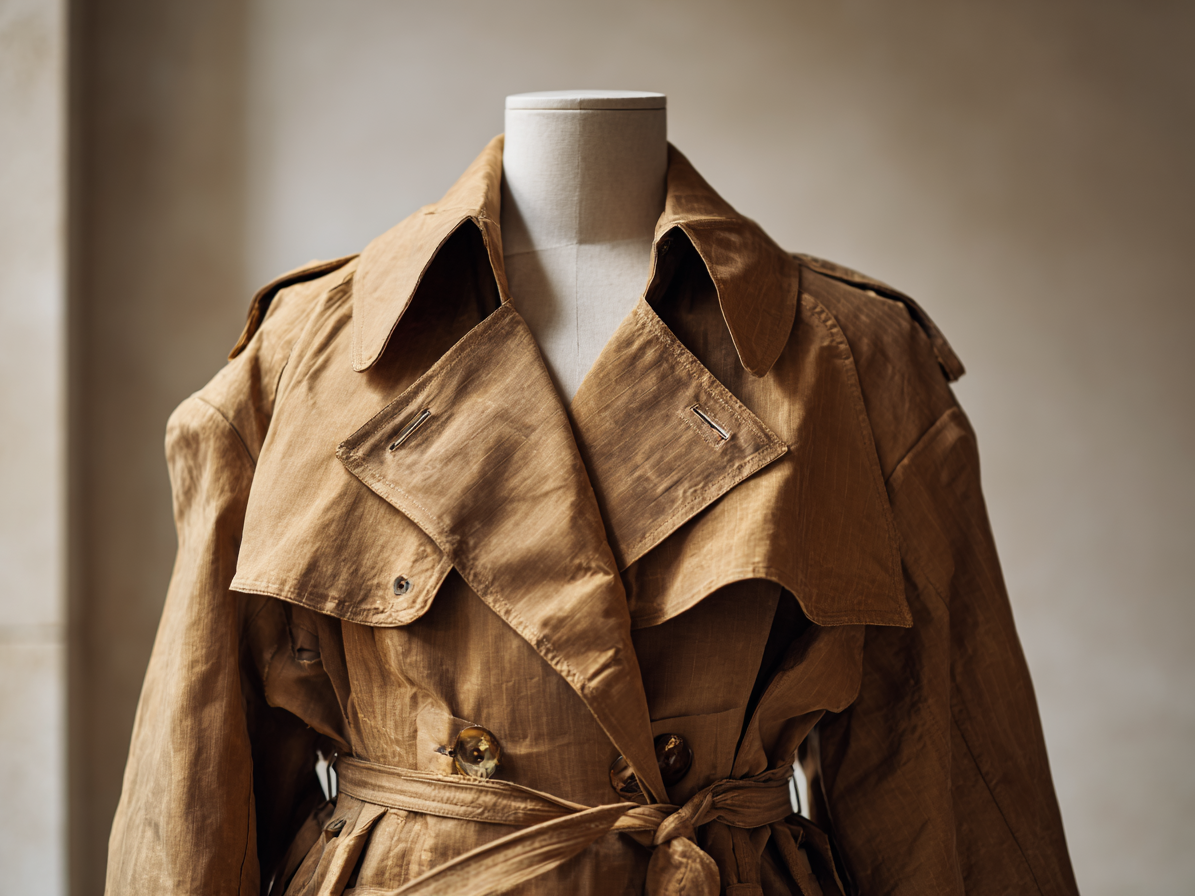
A trench coat is one of the few garments that genuinely earns the word "investment." Whether it's a Burberry classic, an A.P.C. cotton gabardine, or a well-made high-street version, a trench coat is designed to last decades if you care for it properly. The structure, the fabric, and the hardware all need attention, but none of it is complicated.
Here's how to keep yours in the condition it deserves.
Know Your Trench Fabric
The care approach depends entirely on what your trench is made from. Check the care label and fiber content.
Cotton gabardine: The classic trench fabric. Tightly woven, durable, and often treated with a water-repellent finish. Most cotton trenches can be hand washed or machine washed on gentle, though many care labels will recommend dry cleaning to preserve the finish and structure.
Polyester or poly-cotton blend: More affordable trenches often use synthetic blends. These are easier to care for at home and more resistant to wrinkling and water damage.
Leather or faux leather: Completely different care protocol. Never machine wash. Wipe down with a damp cloth and condition leather regularly. Faux leather can be wiped clean but shouldn't be submerged in water.
Wool or wool-blend: Some trenches, particularly winter-weight versions, incorporate wool. These should be dry cleaned or hand washed with extreme care to avoid shrinkage and felting.
Routine Maintenance
Most of the time, a trench coat doesn't need a full wash. Regular maintenance between cleanings keeps it looking sharp and extends the time between more intensive cleaning.
Brush it down after wearing. Use a soft garment brush to remove dust, lint, and surface dirt. Brush in downward strokes following the weave. This takes 30 seconds and prevents dirt from settling into the fabric over time.
Spot clean as needed. For small marks or splashes, use a damp cloth with a tiny amount of mild soap. Blot the area gently, then blot with a clean damp cloth to remove the soap. Let it air dry.
Hang it properly. Always use a sturdy, wide-shouldered hanger. Wire hangers or thin plastic hangers will distort the shoulders over time. A wooden or padded hanger distributes the weight of the coat evenly.
Let it dry before storing. If you've been caught in the rain, hang your trench in a well-ventilated area and let it dry completely before putting it back in the closet. Storing a damp trench invites mildew.
How to Wash a Cotton or Poly-Cotton Trench
If your trench has accumulated general grime, body oils at the collar, or an overall dullness that spot cleaning can't fix, it's time for a full clean.
Check the care label first. If it says "dry clean only," respect that, especially for structured trenches with internal construction (shoulder pads, interfacing, and stiffeners that can distort when wet).
If the label permits washing:
- Remove any detachable parts. Belt, liner (if removable), and any decorative hardware that can be unclipped.
- Close all buttons, snaps, and the belt buckle. Zip up any zippers.
- Pre-treat the collar and cuffs. These are the areas that accumulate the most body oil. Apply a small amount of dish soap or laundry pre-treatment directly to the collar, inner cuffs, and any other areas that show grime. Let it sit for 10 minutes.
- Machine wash on the gentle cycle with cold water. Use a mild liquid detergent. Place the trench in a large mesh laundry bag if your machine is on the smaller side.
- Run an extra rinse cycle to ensure all detergent is removed. Soap residue can attract dirt and dull the fabric's finish.
- Do not spin on high. A high spin cycle can create creases that are difficult to remove from cotton gabardine. Use the lowest spin setting or remove the coat while it's still dripping and let it drain over a bathtub.
How to Dry a Trench Coat
Never put a trench coat in the dryer. The heat can damage water-repellent finishes, shrink cotton, and distort the structure of the coat.
Hang dry on a sturdy hanger. Smooth the fabric with your hands while it's still damp, pulling seams straight and aligning the collar, lapels, and belt loops. Gravity and the weight of the damp fabric will help it dry wrinkle-free.
Dry indoors, away from direct sunlight. UV exposure can fade the color of cotton gabardine, especially darker shades like navy or black.
Allow plenty of airflow. Don't hang a wet trench in a crowded closet. It needs air circulating around it to dry properly and prevent musty odors.
Ironing and Steaming
Cotton gabardine wrinkles less than regular cotton, but creases can develop, especially after washing.
Steaming is the preferred method. A garment steamer will relax wrinkles without the risk of scorching or creating shine marks. Hang the coat and steam from top to bottom.
If ironing: Use a medium heat setting. Iron on the reverse side of the fabric, or use a press cloth between the iron and the coat. Iron the body first, then the sleeves, then the collar and lapels. Be careful around buttons and hardware.
Restoring the Water-Repellent Finish
Many cotton trench coats come with a DWR (Durable Water Repellent) finish that causes water to bead on the surface rather than soaking in. Over time and with washing, this finish degrades.
Signs your finish has worn off: Water soaks into the fabric instead of beading. The coat feels heavier when wet. Wet patches are visible on the surface.
How to restore it: Use a spray-on fabric waterproofing product (like Nikwax Cotton Proof or Scotchgard). Clean the coat first, then apply the product according to the directions. Most sprays need to be applied to the outside of a clean, slightly damp coat and then allowed to dry.
For gabardine trenches, some purists argue that the tight weave alone should provide enough water resistance and that chemical treatments can alter the hand feel. This is a personal choice. If you live somewhere it rains regularly, the treatment is worth it.
Belt Care
The belt is often the first part of a trench to show wear. It bends at the waist, rubs against surfaces, and the tip frays from daily threading through the buckle.
Wash the belt with the coat if it's the same fabric.
For leather belts: Wipe with a damp cloth and condition with leather conditioner once or twice a year. Keep the buckle dry.
Prevent fraying: If the belt tip is starting to fray, you can carefully seal it with a tiny amount of clear fabric glue or clear nail polish applied to the cut edge. This isn't a permanent fix but extends the life significantly.
Store the belt looped loosely through the belt loops or draped over the hanger. Don't tie it in a tight knot, which creates creases.
Storage
Hang on a wide, sturdy hanger. This is the single most important storage rule.
Use a breathable garment bag for off-season storage. Never use a plastic dry cleaning bag long-term. Plastic traps moisture and prevents the fabric from breathing.
Store in a cool, dry place. Excessive humidity encourages mildew on cotton gabardine.
Keep away from direct sunlight. Even in a closet, if light reaches the coat through a window, it can cause uneven fading.
Button the top button before hanging. This helps the collar hold its shape.
Quick Reference
| Recommendation | |
|---|---|
| Routine care | Brush after wearing, spot clean marks |
| Wash | Gentle cycle, cold, mild detergent (or dry clean) |
| Dry | Hang dry on sturdy hanger. Never tumble dry. |
| Wrinkles | Steam preferred. Iron reverse side with press cloth. |
| Water resistance | Reapply DWR spray after cleaning if needed |
| Storage | Wide hanger, breathable garment bag, button top button |
A trench coat is one of those rare garments that looks better with age when it's properly maintained. The gabardine softens, the color develops depth, and the coat molds to your posture. Regular brushing, mindful storage, and an occasional gentle wash are all it takes to get there.
Like these stories? You will (probably) love our monthly newsletter.


Member discussion