How to Care for a Puffer Jacket
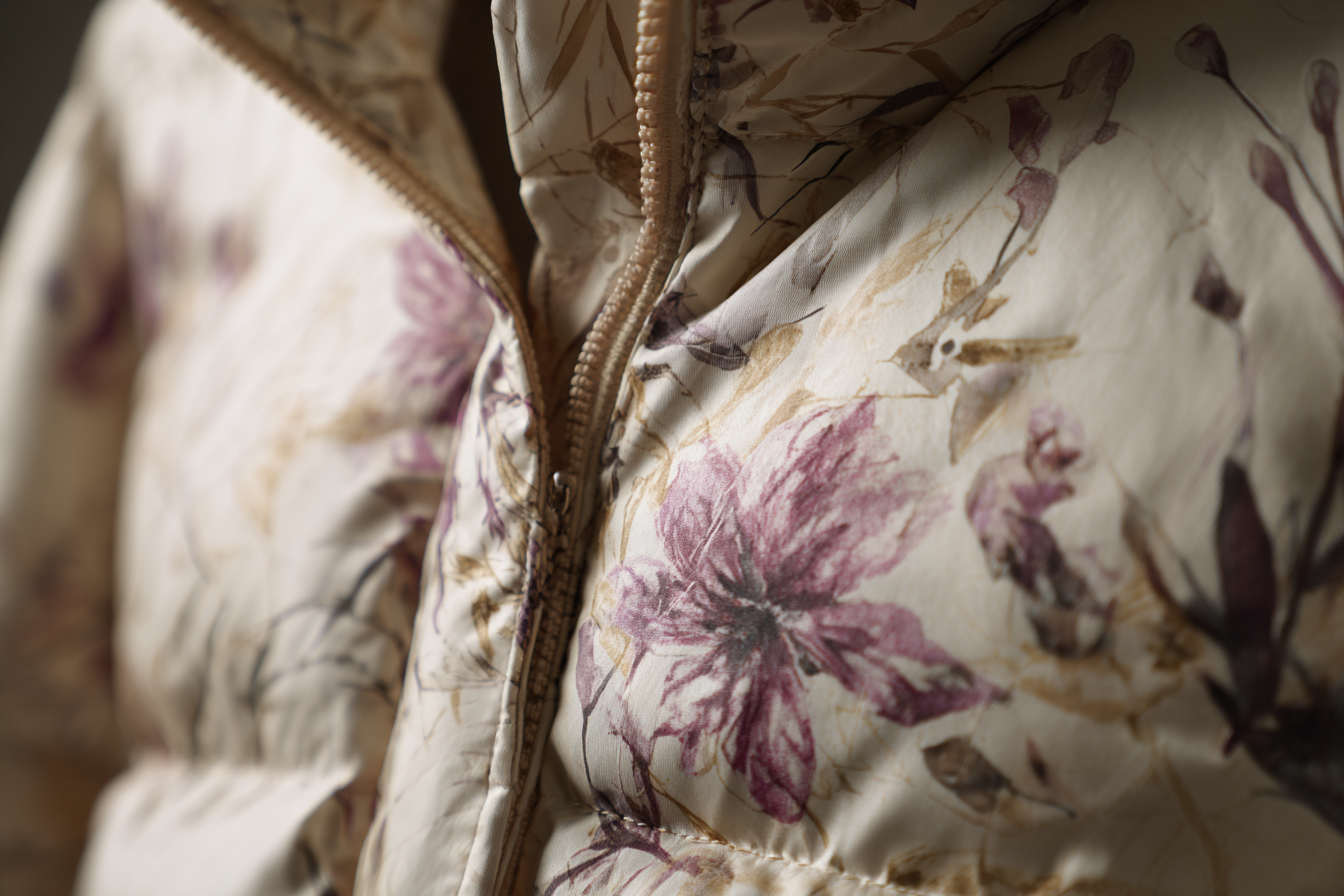
A quality puffer jacket is one of the most practical investments in a cold-weather wardrobe. It's also one of the garments people are most afraid to wash. The fear makes sense: you spent good money on it, the filling is either delicate down or carefully engineered synthetic insulation, and the idea of putting it in a washing machine feels risky.
But puffer jackets need to be washed. Body oils, sweat, and dirt gradually break down the insulation's ability to loft, which is exactly what keeps you warm. A dirty puffer is a less effective puffer. The good news is that washing a puffer jacket at home is straightforward if you follow the right steps.
Down vs. Synthetic: Know What You Have
Check the care label for the fill type. This determines your approach.
Down fill (goose down, duck down): Natural clusters that trap air for warmth. Extremely effective but sensitive to moisture. Down clumps when wet and needs careful drying to restore its loft. Use a down-specific detergent.
Synthetic fill (PrimaLoft, Thermoball, Coreloft, generic polyester fill): Engineered fibers that mimic down's insulating properties. More tolerant of moisture and easier to care for. Regular gentle detergent works fine.
If your label doesn't specify, look at the price and feel. Down jackets are typically lighter for their warmth level and feel more organic and irregular. Synthetic fill feels more uniform.
How to Wash a Down Puffer
You will need: A front-loading washing machine (or a large-capacity top-loader without a central agitator), a down-specific detergent (like Nikwax Down Wash Direct or Grangers Down Wash), and two to three clean tennis balls or wool dryer balls.
Steps:
- Close all zippers and fasten all snaps and Velcro. Open zippers can snag the fabric during the wash cycle. Fasten everything to protect the shell.
- Turn the jacket inside out. This protects the outer shell fabric from abrasion.
- Use a front-loading machine. Top-loaders with a central agitator can tear baffles (the stitched compartments that hold the down in place). If you only have a top-loader with an agitator, hand washing in a bathtub is safer.
- Use a down-specific detergent. Regular detergent strips the natural oils from down feathers, reducing their ability to loft. Down-specific formulas clean effectively while preserving those oils. Use the amount recommended on the bottle, which is typically less than regular detergent.
- Wash on a gentle or delicate cycle with cold water. Some machines have a specific "down" or "bulky items" cycle. Use it if available.
- Run an extra rinse cycle. Down traps detergent easily, and residue prevents proper lofting. An additional rinse ensures all soap is removed.
- Do not wring or twist the jacket. When removing it from the machine, support the jacket's weight with both hands. Wet down is heavy, and pulling it by one section can tear baffles or stretch the shell fabric.
How to Wash a Synthetic Puffer
Synthetic fill is more forgiving.
- Close zippers, snap closures, and Velcro.
- Turn inside out.
- Machine wash on gentle cycle with cold or lukewarm water. A regular gentle detergent works fine. Avoid fabric softener, which coats the fibers and reduces insulation performance.
- One extra rinse cycle is still a good idea to remove all detergent.
How to Dry a Puffer Jacket
This is the critical step, especially for down. Improper drying is where most people ruin their puffer jackets.
Down Puffers
Tumble dry on the lowest heat setting. This will take a long time, often two to three hours or more. Be patient. High heat can melt the shell fabric or damage the down.
Add two to three clean tennis balls or dryer balls. This is not optional. As the jacket tumbles, the balls break up clumps of wet down that have stuck together. Without them, the down dries in flat, matted clumps and the jacket loses its loft permanently.
Check every 30 minutes. Remove the jacket, shake it gently, and break up any remaining clumps by hand. Then put it back. Repeat until fully dry.
The jacket must be completely dry before storage. Even a slight dampness will develop mildew and a musty smell that's extremely difficult to remove. If in doubt, give it another 30 minutes in the dryer.
The time test: If the jacket still feels heavy or you can feel clumps when you squeeze a baffle, it's not dry yet.
Synthetic Puffers
Tumble dry on low heat or air dry. Synthetic insulation doesn't clump the way down does, so dryer balls are helpful but less critical. Drying time is usually shorter than down, around 60 to 90 minutes.
Air drying is also an option for synthetic materials. Lay the jacket flat on a drying rack or a clean towel. Flip it every few hours. This takes longer (sometimes a full day) but is the gentlest option.
Spot Cleaning
For minor dirt or stains, you don't always need a full wash.
For surface dirt on the shell fabric: Use a damp cloth with a tiny amount of mild soap. Wipe the area gently and then wipe with a clean damp cloth to remove soap residue.
For collar and cuff grime (the most common problem area): Apply a small amount of dish soap or laundry pre-treatment to the dirty area. Work it in gently with a soft brush or cloth. Rinse with a damp cloth. Let it air dry.
For oil stains on the shell: Sprinkle cornstarch or baking soda on the stain. Let it sit for 30 minutes to absorb the oil. Brush off and repeat if needed. Then spot clean with dish soap.
Storage
How you store a puffer jacket during the off-season matters enormously, especially for down.
Never store a puffer jacket compressed in a stuff sack long-term. Stuff sacks are for travel. Keeping down compressed for months breaks down the clusters and permanently reduces loft. The same applies to synthetic fill, though it's slightly more resilient.
Hang the jacket on a wide, padded hanger in a closet with room to breathe. Alternatively, store it loosely in a large breathable cotton storage bag or a clean pillowcase.
Store it clean. Body oils and dirt attract insects and break down insulation over time. Always wash a puffer before putting it away for the season.
Avoid plastic garment bags. These trap moisture and can lead to mildew. Use breathable fabric covers instead.
Repairing Rips and Tears
Puffer jacket shells, especially ultralight ones, are prone to small tears that let insulation escape.
For small tears: Tenacious Tape (by Gear Aid) or a nylon repair patch can seal a tear quickly and durably. Clean the area, cut the tape to size with rounded corners, and press firmly. These patches are flexible and survive washing.
For larger repairs: Take the jacket to a tailor or an outdoor gear repair service. Down baffles that have been breached need to be re-sewn to prevent continued insulation loss.
Restoring Lost Loft
If your puffer has gone flat, it may not be dead. It might just need a wash and proper dry cycle.
For down: Wash with down-specific detergent, dry on low with tennis balls, and check for clumps every 30 minutes. A properly washed and dried down jacket should regain nearly all of its original loft.
For synthetic: If the insulation has gone permanently flat after years of use, it has likely lost its structural integrity. Unlike down, which can be re-lofted, synthetic insulation degrades over time and eventually cannot be restored. This is the tradeoff for synthetic's moisture tolerance.
Quick Reference
| Down Puffer | Synthetic Puffer | |
|---|---|---|
| Detergent | Down-specific only | Regular gentle detergent |
| Wash | Front-loader, gentle, cold | Machine gentle, cold/warm |
| Dry | Low heat + tennis balls, 2-3 hours | Low heat or air dry, 1-2 hours |
| Storage | Hang or store loosely. Never compress. | Same |
| Key risk | Clumping if dried without dryer balls | Less risky overall |
A puffer jacket that's washed and dried properly once or twice a season will stay warmer and last longer than one that's never washed. The tennis balls in the dryer aren't a hack; they're essential. Don't skip them.
Like these stories? You will (probably) love our monthly newsletter.

Member discussion