Wool Care: The Definitive Guide
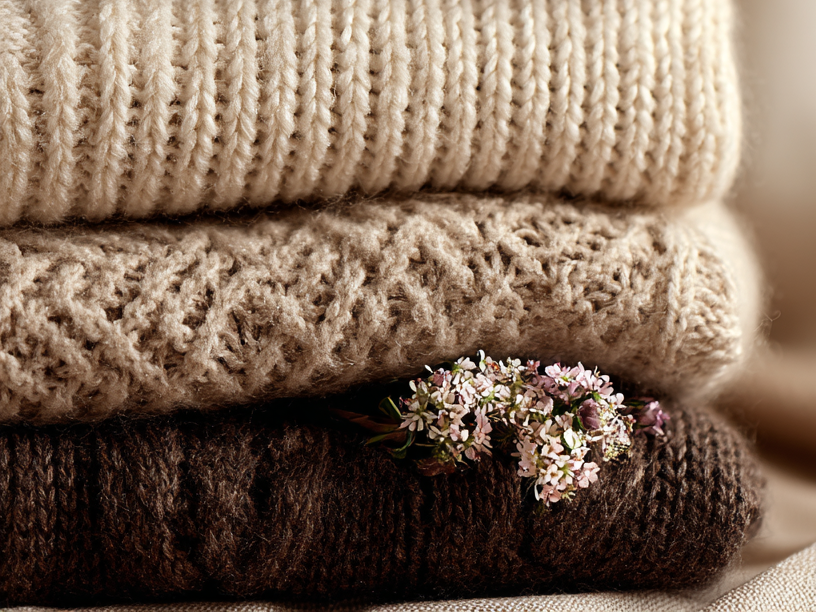
Wool is one of the most versatile and resilient natural fibers in existence. It regulates temperature, wicks moisture, resists odor, and naturally repels stains. A well-cared-for wool garment can last decades. The problem is that most people treat wool too aggressively, and the consequences are immediate and irreversible: shrinkage, felting, pilling, and distortion.
Understanding why wool behaves the way it does makes caring for it intuitive rather than intimidating.
Why Wool Shrinks (And How to Prevent It)
Wool fibers are covered in microscopic scales, like shingles on a roof. When wool is exposed to heat, moisture, and agitation simultaneously, these scales interlock permanently. This is called felting. Once wool felts, it cannot be reversed. The garment shrinks, the surface becomes dense and matted, and the soft drape of the original knit is gone.
The three triggers for felting are heat, moisture, and mechanical agitation. Remove any one of these and felting does not occur. This is why wool can be worn in rain (moisture and mild agitation, but no heat) without shrinking, and why a wool blanket can sit in a hot car (heat, but no moisture or agitation) without damage. It is the combination of all three that causes problems.
The practical implication is simple: wash wool in cool water with minimal agitation. If you follow this rule, wool will not shrink.
How Often to Wash Wool
Wool needs to be washed far less frequently than most people assume. The fiber has natural antimicrobial properties that resist odor, and the lanolin that remains in most wool after processing repels dirt and stains.
For sweaters and knitwear, washing every 5 to 7 wears is usually sufficient. Between washes, hang the garment in a well-ventilated area for a few hours after wearing. Fresh air and a brief rest between wears allow wool to recover its shape and release any absorbed odors.
For wool suits and trousers, professional cleaning every 3 to 5 wears is a reasonable frequency. Spot clean minor stains as they occur.
Overwashing wool strips the natural lanolin, which makes the fiber stiffer, duller, and more prone to pilling. Wash when needed, not on a schedule.
Hand Washing Wool
Hand washing is the safest method for wool knitwear and is the method we recommend for most wool garments.
Step 1: Fill a basin with cool water. The water should feel cool to the touch, not warm. Add a small amount of wool-safe detergent. Eucalan, Soak, and The Laundress Wool & Cashmere Shampoo are all excellent choices. Baby shampoo also works.
Step 2: Submerge the garment and press it down gently. Let it soak for 10 minutes. Wool tolerates a slightly longer soak than silk or cashmere.
Step 3: Gently agitate the garment by swishing it through the water. Do not rub, twist, or wring. Move the garment back and forth, letting water flow through the fibers.
Step 4: Drain the water and refill with fresh cool water at the same temperature. This is critical. A sudden temperature change (warm wash to cold rinse, or vice versa) shocks wool fibers and triggers felting. Keep the wash and rinse water at the same temperature.
Step 5: Rinse by gently pressing the garment in the clean water. Repeat with fresh water until no detergent remains. Two to three rinses is typical.
Step 6: Lift the garment from the water and press it gently against the side of the basin. Do not wring. Lay it flat on a clean, dry towel, roll the towel up to absorb excess moisture, then unroll.
Step 7: Lay flat on a dry towel or a mesh drying rack. Reshape the garment while damp, smoothing the sleeves, aligning the seams, and restoring the original dimensions. Drying flat prevents the stretching that happens when wet wool hangs.
Machine Washing Wool
Some wool garments can be machine washed, particularly those labeled “machine washable” or “superwash wool.” Superwash wool has been chemically treated to smooth the fiber scales, reducing the risk of felting.
If you machine wash wool, use the wool or delicate cycle with cold water and a wool-safe detergent. Place the garment in a mesh laundry bag. Use the lowest spin speed available. Remove immediately when the cycle ends and lay flat to dry.
Never machine wash wool on a normal or heavy cycle. Never use warm or hot water. Never tumble dry. These are the three fastest ways to felt and shrink a wool garment.
Drying Wool
Wool should always be dried flat. This is non-negotiable for knits. Hanging wet wool stretches the fibers under the weight of the water, and the resulting distortion is difficult to reverse.
Lay the garment on a clean, dry towel on a flat surface. A mesh drying rack works even better because it allows air to circulate underneath. Reshape the garment while it is still damp. Smooth out any bunching, align the seams, and check that the proportions look correct.
Wool takes longer to dry than cotton or synthetics, typically 12 to 24 hours depending on the weight of the knit and humidity. Flip the garment once during drying to ensure both sides dry evenly. Do not speed up the process with a dryer, hair dryer, or direct heat.
Pilling: What It Is and What to Do
Pilling is the formation of small balls of fiber on the surface of a wool garment. It happens when short or broken fibers tangle together from friction. Areas that experience the most rubbing, like the underarms, sides, and wherever a bag strap sits, pill first.
Pilling is not a sign of poor quality. Even high-quality wool pills. Shorter fibers and softer yarns (like merino and cashmere) pill more readily than longer, coarser fibers. The pills consist of loose fibers working their way out of the yarn, and once they are removed, the remaining fabric is often smoother and more resistant to future pilling.
How to Remove Pills
Use a fabric shaver or a cashmere comb. A fabric shaver is a small battery-operated device that shaves pills off the surface. A cashmere comb is a fine-toothed metal comb that gently lifts and removes pills by hand. Both work well. The comb is gentler and better for fine knits. The shaver is faster and better for heavily pilled areas.
Do not use a razor, lint roller, or tape to remove pills. Razors cut into the fabric and create holes. Lint rollers and tape only remove surface pills without addressing the ones forming beneath.
How to Reduce Pilling
Wash wool inside out. Reduce friction during wear by avoiding rough surfaces (backpacks, seatbelts, unfinished wood). Store folded rather than jammed into a drawer. And accept that some pilling is normal, especially in the first few wears of a new garment. The pilling period typically peaks in the first few weeks and then diminishes.
Stain Removal on Wool
Water-Based Stains (Coffee, Wine, Juice)
Blot immediately with a clean, damp cloth. Do not rub. For dried stains, sponge the area with a mixture of one part white vinegar and two parts cool water. Blot with a clean cloth. Rinse by pressing a damp cloth against the area. Let the garment dry naturally.
Oil-Based Stains (Grease, Butter, Makeup)
Sprinkle cornstarch or baking soda on the stain and let it absorb for several hours. Brush off gently. If the stain remains, apply a small amount of eucalyptus oil and blot with a damp cloth. Do not use dish soap on wool. It is too harsh and strips the natural lanolin.
Mud
Let the mud dry completely. Brush off the dried mud with a stiff brush. Most of the stain will come off with the dried mud. If any discoloration remains, sponge with cool water and a wool-safe detergent.
Seasonal Storage
Wool is a moth’s favorite food. Moth larvae eat protein-based fibers, and wool is pure protein. If you are storing wool garments for the off-season, proper preparation is essential.
Wash every garment before storing. Moth larvae are attracted to body oils, perspiration, and food residue on the fiber, not the fiber itself. A clean garment is far less likely to attract moths.
Fold knitwear with acid-free tissue paper between layers. Store in a cedar-lined chest, a breathable cotton garment bag, or a sealed plastic bin with cedar blocks. Never use mothballs. The chemicals are toxic and the smell is nearly impossible to remove from wool.
Check stored garments monthly for signs of moth activity: small holes, fine webbing, or tiny larvae. Pheromone traps in your storage area serve as an early warning system.
Types of Wool and Their Care
Merino Wool
Fine, soft, and lightweight. The fibers are thinner than standard wool, making merino garments softer against the skin but also more prone to pilling. Hand wash in cool water or machine wash on a wool cycle. Handle gently. Merino is increasingly common in activewear and base layers because of its odor resistance and moisture management.
Lambswool
The first shearing from a young sheep. Softer and finer than adult wool. Care is the same as standard wool. Lambswool garments are often more affordable than merino or cashmere while offering similar softness.
Shetland Wool
A heartier, slightly coarser wool from sheep raised in the Shetland Islands. Known for warmth and durability. It is more resistant to pilling than softer wools. Wash the same way but with slightly less concern about agitation. Shetland wool is forgiving.
Boiled Wool
Wool that has been intentionally felted during manufacturing to create a dense, wind-resistant fabric. It is used for jackets, vests, and outerwear. Because it is already felted, it is more resistant to further shrinkage. Spot clean or hand wash carefully. Do not machine wash.
Wool Blends
Wool blended with synthetic fibers (polyester, nylon, elastane) is more durable and machine-wash friendly than pure wool. Follow the care label, which will reflect the most delicate fiber in the blend. Blends with higher wool content should be treated closer to pure wool care guidelines.
The Wool Difference
Wool is not a high-maintenance fabric. It is a low-wash fabric. The natural properties of the fiber, its odor resistance, moisture management, temperature regulation, and stain repellence, mean that wool garments need less frequent cleaning than cotton or synthetic alternatives. A wool sweater worn once a week might need washing once a month. A cotton sweater worn the same way would need washing weekly.
The care that wool requires is about gentleness and patience. Cool water, minimal agitation, flat drying, and proper storage. These are small investments that protect garments built to last decades.
Like these stories? You will (probably) love our monthly newsletter.
Member discussion