The Complete Guide to Denim Care
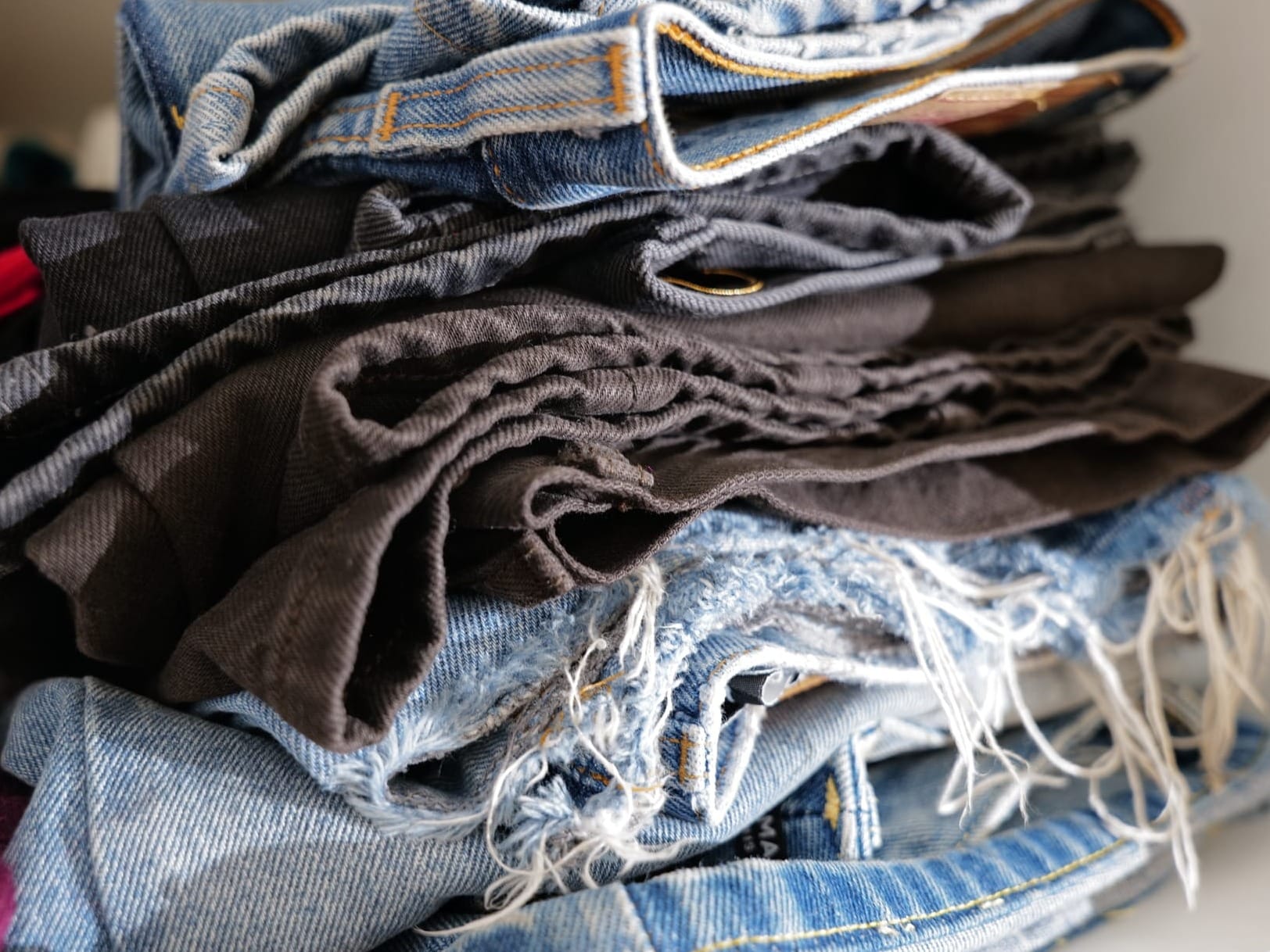
Denim is the most democratic fabric in fashion. It is worn by everyone, everywhere, at every price point. A pair of jeans can cost $20 or $2,000, and the care principles are the same for both. What separates a pair of jeans that ages beautifully from one that falls apart in two years is not the price tag. It is how you wash, dry, and store them.
Denim is a twill-woven cotton fabric. The traditional construction uses indigo-dyed warp threads and natural (undyed) weft threads. This is why the outside of your jeans is blue, and the inside is white. Understanding this construction explains almost everything about how denim behaves in the wash.
How Often to Wash Your Jeans
Less than you think. The denim industry and jeans enthusiasts largely agree on this: wash your jeans as infrequently as possible.
Every wash cycle removes indigo dye from the warp threads. This is why jeans fade over time. If you want your jeans to maintain their color and develop natural wear patterns rather than washer-induced fading, limit washing to every 5 to 10 wears, or when they actually need it (visible dirt, odor, or stains).
Between washes, hang your jeans in a well-ventilated area after wearing. Fresh air does a remarkable job of eliminating odor from denim. If they smell but are not dirty, you can also fold them and place them in the freezer overnight. The cold kills odor-causing bacteria without affecting the dye. This is not a myth. It works.
For raw (unwashed, unsanforized) denim, the recommendation is even more extreme: many enthusiasts wait 6 months or longer before the first wash, allowing the denim to develop high-contrast fade patterns that reflect how they actually wear the jeans. This is a personal choice, not a care requirement.
How to Wash Jeans
Machine Washing (The Standard Method)
Step 1: Turn your jeans inside out. This is the single most important step for preserving color. It protects the indigo-dyed outer surface from abrasion against the drum and other garments.
Step 2: Zip up and button all closures. Open zippers can snag other garments. Buttoned waistbands help the jeans hold their shape.
Step 3: Use cold water. Cold water removes less indigo per wash than warm or hot. It also prevents shrinkage. There is no good reason to wash jeans in warm water unless you are specifically trying to shrink them.
Step 4: Use a mild, dark-color-safe detergent. Avoid detergents with bleach, brighteners, or enzymes. A small amount is enough. Overdosing detergent leaves residue in the denim weave that accelerates fading.
Step 5: Select a gentle or delicate cycle. The reduced agitation preserves the fabric and the dye.
Step 6: Wash jeans with similar colors. Do not wash dark indigo jeans with white shirts. Denim bleeds indigo, especially in the first few washes.
Hand Washing (Best for Raw and Selvedge Denim)
If you own raw, selvedge, or Japanese denim, hand washing gives you the most control over dye loss and is the preferred method among denim enthusiasts.
Step 1: Fill a bathtub or large basin with cold water. Add a small amount of denim-specific detergent or a gentle, dye-free detergent.
Step 2: Turn your jeans inside out and submerge them fully. Let them soak for 30 to 45 minutes.
Step 3: Gently agitate the jeans in the water, paying attention to any stained or heavily soiled areas. You can use a soft sponge on specific spots.
Step 4: Drain the water (it will be blue, which is normal) and refill with clean cold water. Swish the jeans to rinse. Repeat until the water runs relatively clear.
Step 5: Do not wring. Lift the jeans out and let excess water drain. Roll them in a clean towel to absorb more moisture.
The Vinegar Soak (For Color Preservation)
Before the first wash of a new pair of dark jeans, soak them in a mixture of cold water and one cup of white distilled vinegar for one hour. The vinegar helps set the indigo dye and reduces bleeding in future washes. This is a well-established technique in the denim community and works noticeably well on dark and raw denim.
How to Dry Jeans
The dryer is the enemy of denim. Tumble drying causes shrinkage, accelerates fading, weakens the cotton fibers, and degrades any stretch component (elastane or spandex) in modern denim. It also consumes the most energy of any part of the laundry process.
Air Drying (Recommended)
Hang jeans by the waistband on a clothesline, drying rack, or sturdy hanger. Hang them in a well-ventilated area out of direct sunlight. Sunlight fades indigo unevenly. Jeans take 12 to 24 hours to air dry completely, depending on the weight of the denim and the humidity.
For faster drying without a machine, roll the jeans in a dry towel first to absorb excess moisture, then hang.
If You Must Use a Dryer
Use the lowest heat setting. Remove the jeans while they are still slightly damp to prevent over-drying and shrinkage. Reshape the waistband and legs by hand, then hang to finish drying naturally.
Denim Shrinkage and Stretch
All cotton denim shrinks to some degree when washed, especially in warm or hot water. Most pre-washed (sanforized) denim has been treated to minimize shrinkage, but you can still expect 1 to 3% shrinkage from the original fit.
Raw (unsanforized) denim can shrink 5 to 10% in the first wash. This is why raw denim is typically purchased one to two sizes larger than your normal size. The first soak is when the major shrinkage happens. After that, subsequent washes produce minimal additional shrinkage.
Stretch denim (containing elastane or spandex) stretches out with wear and snaps back after washing. This is normal. If your stretch jeans feel loose after a day of wearing, they will return to their original fit after a cold wash and air dry. Do not size down to compensate. The stretch cycle is built into the fabric.
Stain Removal on Denim
Oil and Grease
Sprinkle cornstarch or baking soda on the stain immediately. Let it absorb for 30 minutes. Brush off, apply a drop of dish soap, work it in with your fingers, and wash on cold. The dense weave of denim holds grease near the surface, so this method is very effective if you act quickly.
Coffee and Wine
Flush from the back of the stain with cold water immediately. For dried stains, apply white vinegar directly to the stain, let it sit for 10 minutes, then wash on cold. Denim is forgiving with tannin-based stains because the indigo color masks residual marks well on dark washes.
Ink
Dab (do not rub) with rubbing alcohol on a cotton ball. Place paper towels behind the stain to catch the dissolved ink. Repeat with fresh cotton balls until the ink stops transferring. Wash on cold. For ballpoint pen, hairspray (the old-fashioned aerosol kind with high alcohol content) applied before washing also works.
Blood
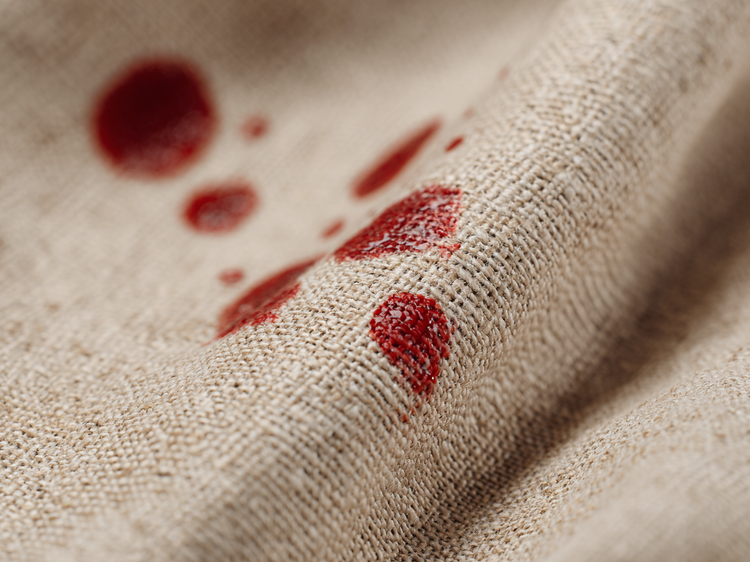
Cold water only. Never hot. Hot water sets blood stains permanently. Soak the stained area in cold water for 30 minutes. If the stain remains, apply hydrogen peroxide (3% solution) directly and blot. Wash on cold. This method works on all denim washes, though test peroxide on dark denim in a hidden area first.
Denim Types and Their Care
Raw / Dry Denim
Unwashed, untreated denim straight from the loom. Stiff, dark, and full of indigo. Wash as infrequently as possible. Hand wash in cold water. Air dry only. The goal is to let the denim develop personalized fade patterns from your body and movements.
Selvedge Denim
Denim woven on narrow shuttle looms with a self-finished edge. Often heavier and denser than conventional denim. Hand washing is preferred. If machine washing, use a mesh laundry bag to protect the selvedge edge from fraying. Air dry.
Pre-Washed / Sanforized Denim
The majority of jeans on the market. Already washed and treated to minimize shrinkage and soften the fabric. Machine wash on cold inside out, gentle cycle, air dry or low heat dryer. The most forgiving denim to care for.
Stretch Denim
Contains 1 to 5% elastane or spandex blended with cotton. Wash on cold, air dry. Heat degrades the elastic fibers and permanently reduces the stretch and recovery of the fabric. Never put stretch denim in a hot dryer.
Light Wash and Distressed Denim
Already faded or intentionally distressed. Less indigo to lose, so fading is less of a concern. Still wash on cold inside out to prevent uneven fading. Be gentle with distressed areas (rips, fraying). Machine washing can enlarge intentional rips over time. A mesh laundry bag helps.
Long-Term Denim Storage
Fold jeans and store them flat in a drawer or on a shelf. Hanging is fine for everyday rotation, but long-term hanging can stretch the waistband. For seasonal storage, make sure jeans are clean (residual body oil attracts pests) and store in a breathable container in a cool, dry location.
Denim does not attract moths the way wool or silk does, since it is pure cotton. But dirty denim can attract silverfish and other pests. Clean before storing.
The Patina Principle
Great denim tells a story. The whiskers at the hip, the honeycomb creases behind the knee, the wallet fade on the back pocket. These patterns are unique to you, formed by the way your body moves in the jeans. They cannot be replicated by a machine.
Every wash removes a thin layer of that story. This is not an argument against washing your jeans entirely. It is an argument for washing them thoughtfully: as infrequently as practical, as gently as possible, and always to preserve the fabric so it can keep recording.
Like these stories? You will (probably) love our monthly newsletter.
Member discussion