Satin and Charmeuse Care Guide
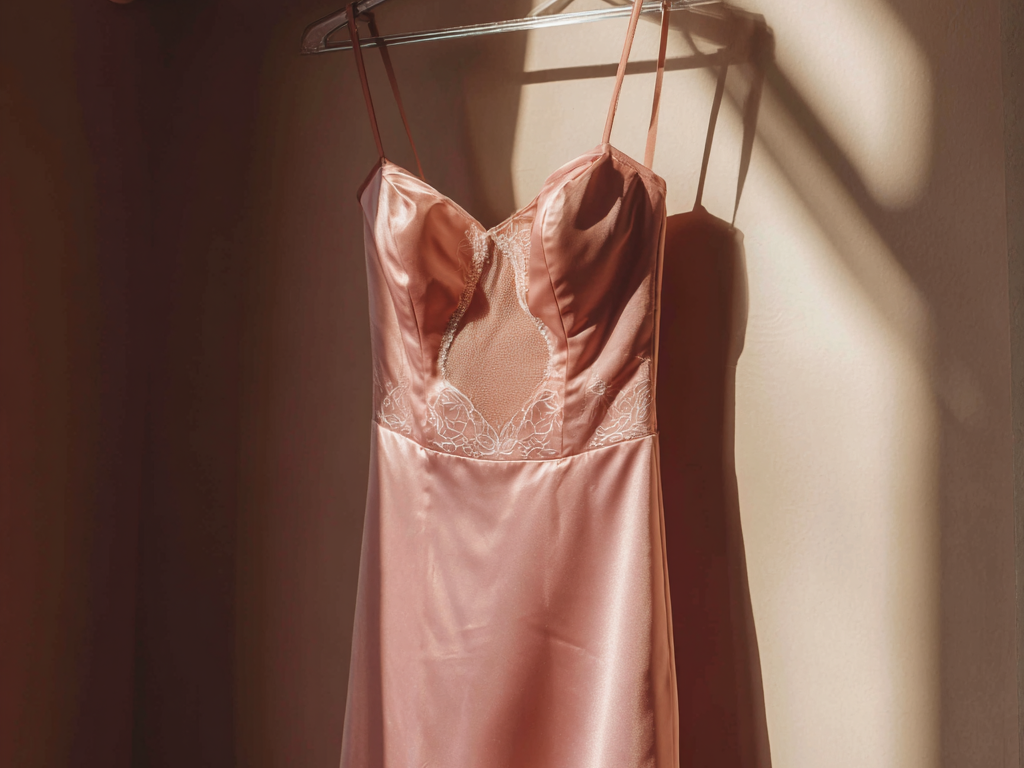
Satin confuses people because it's not actually a fiber. It's a weave. That glossy, liquid-looking surface you associate with satin can be made from silk, polyester, nylon, acetate, or rayon. And the way you care for your satin garment depends almost entirely on which fiber it's made from.
Charmeuse is a specific type of satin weave that's lighter and more drapey, with a glossy front and a matte back. It's the fabric of silk blouses, slip dresses, and luxury pillowcases. Understanding the difference between satin the weave and the fiber underneath it is the first step to caring for it properly.
Identify Your Fiber First
Before you do anything, check the care label for the fiber content. This is more important with satin than almost any other fabric.
Silk satin/charmeuse: The most delicate. Requires hand washing or dry cleaning. Extremely sensitive to water spots, heat, and friction.
Polyester satin: The most durable and forgiving. Machine washable on gentle cycle. Resists wrinkles but can pill over time.
Acetate satin: Common in linings and occasion wear. Very sensitive to heat and certain chemicals, including acetone (nail polish remover will dissolve it). Usually requires dry cleaning.
Rayon satin: Weakens significantly when wet. Hand wash only or dry clean. Handle with extreme care when damp.
Nylon satin: Durable and washable. Similar care to polyester but slightly more heat-sensitive.
If your garment doesn't have a care label (vintage pieces, for instance), the burn test or a simple water drop test can help identify the fiber, but when in doubt, treat it as the most delicate option.
How to Wash Satin
Silk Satin and Charmeuse
Hand wash is the safest approach. Fill a basin with cool water and add a small amount of pH-neutral detergent (like The Laundress Delicate Wash or even a gentle baby shampoo). Submerge the garment and swish gently for two to three minutes. Do not wring, twist, or scrub.
Rinse in cool water until the water runs clear. To remove excess water, lay the garment on a clean white towel, roll the towel up with the garment inside, and press gently. This absorbs water without the mechanical stress that damages silk fibers.
Dry flat on a clean towel away from direct sunlight. Silk is photosensitive and UV exposure will cause yellowing and fiber degradation. Never hang wet silk satin; the weight of the water will stretch the fabric permanently.
Polyester Satin
Machine wash on the gentle or delicate cycle in cold water. Turn the garment inside out and place it in a mesh laundry bag to protect the glossy surface from snagging.
Air dry or tumble on the lowest heat setting. Polyester satin is much less fussy than silk, but the surface sheen can be dulled by high heat or rough handling.
Acetate Satin
Dry clean unless the care label specifically says otherwise. Acetate is chemically sensitive and weakens dramatically when wet. If you must spot clean, use cool water only and blot gently. Keep acetone-based products (nail polish remover, some adhesives) far away.
Rayon Satin
Hand wash in cold water with a gentle detergent if the label permits. Handle it like silk: no wringing, no twisting, roll in a towel to remove water, dry flat. Rayon fibers lose up to 50 percent of their strength when wet, so minimizing handling during washing is critical.
How to Remove Wrinkles from Satin
The glossy surface of satin makes it unforgiving when it comes to wrinkles. But the smooth weave also means wrinkles release relatively easily with the right technique.
Steaming is the preferred method for all satin types. Hold a garment steamer a few inches from the fabric and work from the reverse side (the matte side of charmeuse). Never press the steamer directly against the satin surface.
If you must iron: Use the lowest heat setting. Place a clean white cotton cloth between the iron and the satin. Iron on the reverse side only. Never use steam from the iron on silk satin (water drops can leave permanent marks). For polyester satin, steam is fine.
The bathroom steam method: Hang the garment in the bathroom during a hot shower. The ambient steam will relax light wrinkles. This works best for polyester and nylon satin.
Stain Removal on Satin
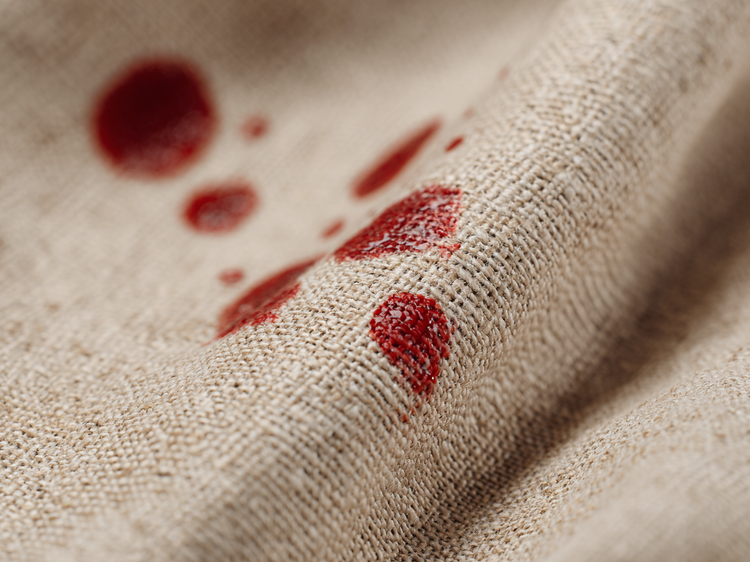
Satin's smooth surface means stains sit on top initially, which is actually an advantage if you act quickly. But the same smoothness means water spots are highly visible, especially on silk.
For all satin types: Blot the stain immediately. Never rub, as this can damage the weave structure and dull the sheen.
For silk satin: Blot with a clean, damp cloth and bring the garment to a dry cleaner as soon as possible. Home stain removal on silk satin is risky because water can leave marks that are as visible as the original stain.
For polyester satin: Apply a small amount of liquid dish soap to the stain, work it in gently with your fingertip, and rinse with cool water. Most stains lift easily from polyester.
Water marks on silk satin: If you get water spots on silk, the counterintuitive fix is to dampen the entire garment evenly (by misting with a spray bottle or quick hand-wash rinse) and then dry it flat. This creates an even tone across the fabric. Spot-treating a water mark usually makes it worse.
Storage
Hang satin garments on padded hangers. Wire or plastic hangers can leave impressions on the soft weave and create dents that are difficult to remove. Padded or velvet-covered hangers distribute the weight evenly.
For slip dresses and lightweight charmeuse, hanging is preferable to folding. Folding satin creates creases that can become permanent if left long enough, especially in silk.
If you must fold (for travel or seasonal storage), layer acid-free tissue paper between the folds to prevent creasing and protect the surface.
Store in breathable garment bags. Never use plastic dry cleaning bags for long-term storage. They trap moisture and can cause yellowing on silk.
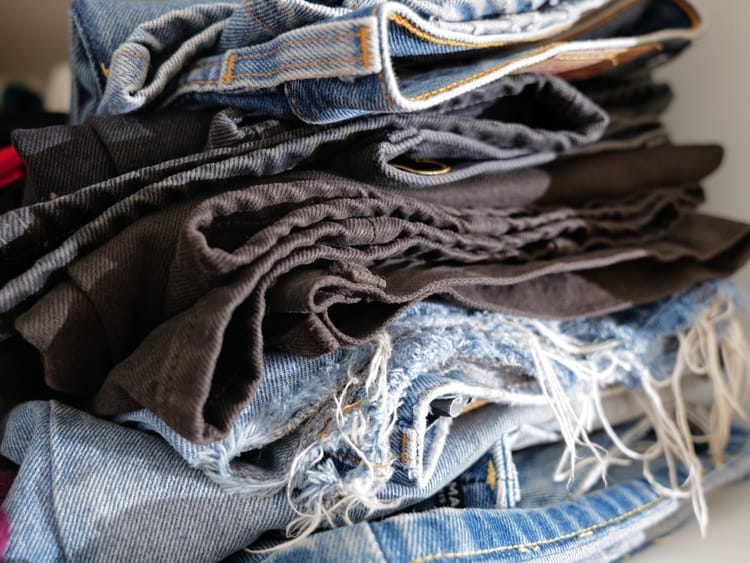
Keep satin away from rough fabrics in your closet. A satin blouse pressed against a wool coat or a denim jacket can develop snags and surface pulls. Give satin garments a little breathing room.
Common Mistakes
Using fabric softener: Fabric softener coats the fibers and dulls the natural sheen of satin. The whole appeal of satin is that glossy surface. Don't diminish it.
Machine washing silk satin: Even on a delicate cycle, the agitation can damage silk satin. The risk of snagging, stretching, or dulling the finish is too high.
Hanging wet satin: Water is heavy, and satin is smooth. A wet satin garment on a hanger will stretch unevenly and may never recover its original shape.
Spraying perfume directly on satin: Alcohol in perfume can stain or discolor satin, especially silk. Apply perfume to your skin and let it dry before dressing, or spray it in the air and walk through the mist.
Quick Reference
| Fiber | Wash Method | Dry Method | Iron |
|---|---|---|---|
| Silk satin | Hand wash cold | Flat on towel, no sun | Lowest heat, reverse, press cloth |
| Polyester satin | Machine gentle, cold, mesh bag | Air dry or lowest tumble | Low heat, reverse |
| Acetate satin | Dry clean only | N/A | Lowest heat, press cloth |
| Rayon satin | Hand wash cold | Flat on towel | Low heat while damp, press cloth |
| Nylon satin | Machine gentle, cold | Air dry or lowest tumble | Lowest heat |
The secret to satin care is knowing what's underneath the weave. A polyester satin blouse and a silk charmeuse blouse may look identical on the hanger, but they need very different handling. Check the fiber content first, and everything else follows.
Like these stories? You will (probably) love our monthly newsletter.
Member discussion