Linen Care: Washing, Drying, and Storage
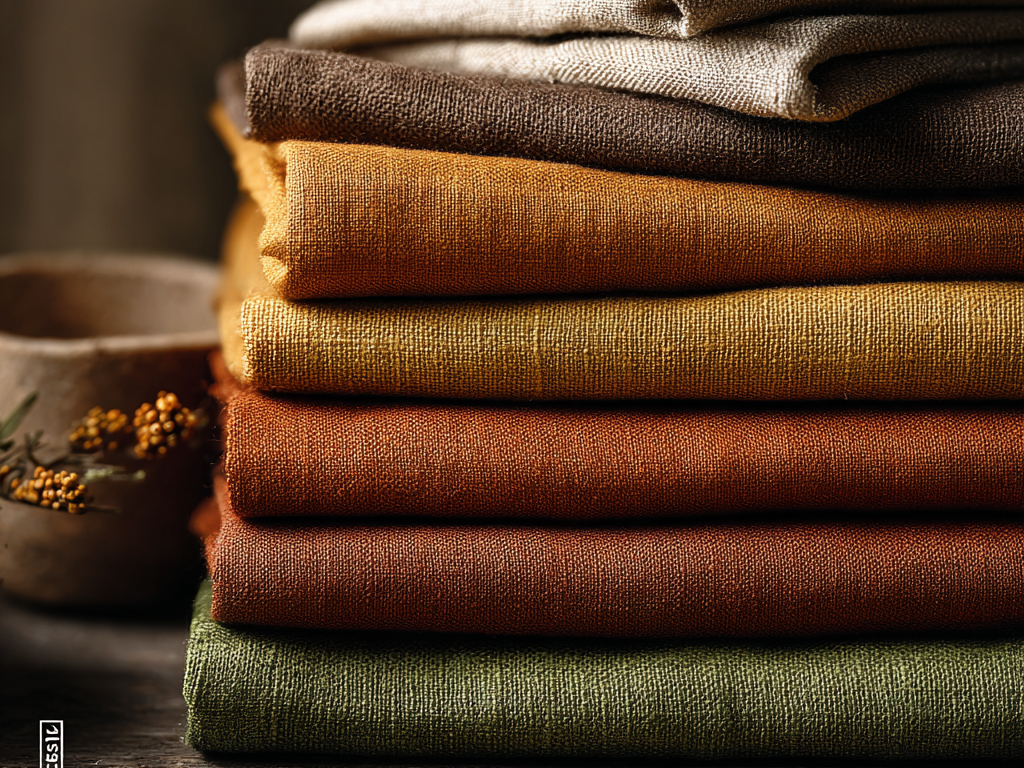
Linen is one of the oldest textiles in human history and one of the most misunderstood. People avoid it because it wrinkles. They iron it aggressively, they wash it too hot, and they store it carelessly. Then they wonder why their linen garments feel stiff and lose their charm after a few seasons.
Here is the truth about linen: it is meant to wrinkle. It is meant to soften. It is meant to look lived-in. And it gets better with every wash if you treat it correctly. A well-cared-for linen shirt at year five feels like something money cannot buy.
What Makes Linen Different
Linen is made from flax fibers, which are stronger than cotton but less elastic. This is why linen wrinkles more than cotton. The fibers do not stretch and bounce back. They hold whatever shape they are put in, whether that is a crisp press or a soft rumple.
Linen is also hollow. The fibers have a natural channel that wicks moisture away from the body and allows air to circulate. This is why linen feels cool in summer. It is also why linen dries faster than cotton and why it gets softer with washing. Each wash cycle breaks down the pectin that stiffens new linen, gradually revealing the soft, fluid drape that characterizes well-worn linen.
Washing Linen
Machine Washing
Most linen garments can be machine-washed. This is one of linen’s practical advantages over silk and cashmere.
Water temperature: Use lukewarm to cool water for colored linen. White linen can tolerate warm water (up to 40°C / 104°F). Hot water can cause linen to shrink and may damage the fibers over time. Cold water is always the safest default.
Cycle: Use a gentle or delicate cycle. Linen’s lack of elasticity means aggressive agitation can stress the fibers, especially at seams and fold points. The gentle cycle reduces mechanical stress while still cleaning effectively.
Detergent: Use a mild, liquid detergent. Avoid powdered detergents, which can leave residue in linen’s open weave. Avoid bleach, even on white linen. Bleach weakens flax fibers and yellows them over time. For brightening white linen, use oxygen-based bleach (OxiClean) sparingly.
Load size: Do not overcrowd the machine. Linen needs room to move freely in the drum. An overcrowded load creates excessive creasing and uneven cleaning.
Fabric softener: Skip it. Fabric softener coats fibers with a waxy residue that reduces linen’s natural moisture-wicking ability and prevents the fabric from softening naturally over time. Linen softens on its own with each wash. Let it.
Hand Washing
Hand washing is gentler and is a good choice for linen garments with delicate construction, embroidery, or loose weaves.
Fill a basin with cool water and a small amount of mild liquid detergent. Submerge the garment and soak for 10 to 15 minutes. Linen can tolerate a longer soak than silk or cashmere. Gently agitate the garment in the water, pressing and swishing rather than rubbing. Rinse in cool water until all detergent is removed. Press excess water out gently. Do not wring.
Drying Linen
How you dry linen determines how it feels and how it looks.
Air Drying (Recommended)
Hang linen garments on a padded hanger or lay flat on a clean towel. Linen dries quickly because of its hollow fiber structure. Reshape the garment while it is still damp, smoothing seams and pulling hems to their natural length.
For that perfectly imperfect, relaxed linen look, let the garment dry naturally without any smoothing or pressing. The wrinkles that form during air drying are part of linen’s character.
Dry in shade. Direct sunlight can fade colored linen and weaken the fibers over extended exposure. White linen, however, actually benefits from occasional sun drying. Sunlight has a natural bleaching effect that keeps white linen bright without chemicals.
Tumble Drying
If you use a dryer, use the lowest heat setting and remove the garment while it is still slightly damp. Over-drying linen in a machine makes it stiff and increases wrinkling. The residual dampness when you remove it allows you to smooth or press the fabric before it sets.
High heat tumble drying shrinks linen and damages the fibers over time. If you only remember one thing about drying linen: low heat, remove damp.
Ironing and Pressing Linen
Linen irons beautifully when done correctly. The fibers respond well to heat and moisture, producing a crisp, polished finish that no other fabric matches.
Iron while damp. Linen is easiest to press when it is still slightly damp from washing. If the garment has dried completely, mist it with a spray bottle or use the steam function on your iron.
Use medium to high heat. Linen tolerates and responds well to higher iron temperatures. The linen or cotton setting on your iron is appropriate.
Iron on the reverse side for dark colors. This prevents shine marks (a polished, glossy surface caused by direct iron contact on the face of the fabric).
Use a pressing cloth for delicate linen. A thin cotton cloth between the iron and the fabric protects against scorch marks and shine.
That said, many linen enthusiasts choose not to iron at all. Wrinkled linen is not sloppy. It is the fabric behaving as it was designed to. A linen shirt worn with natural creases reads as relaxed sophistication, not carelessness. The choice to iron or not is aesthetic, not practical.
Stain Removal on Linen
Water-Based Stains
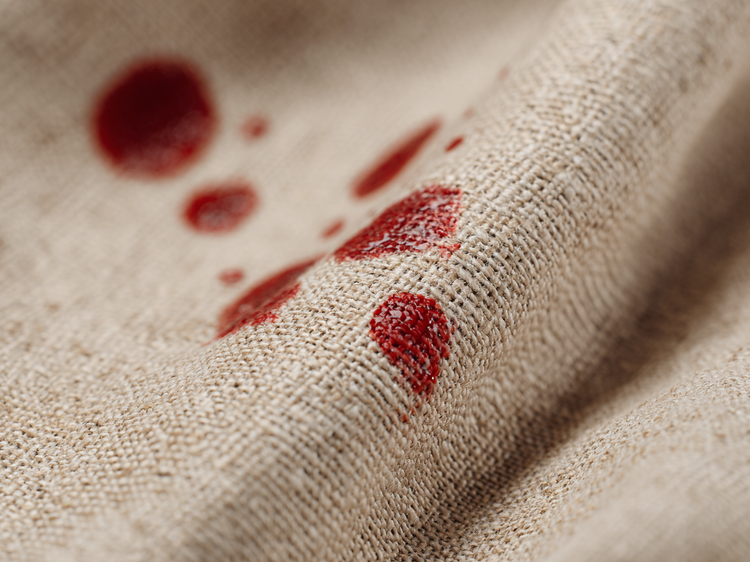
Coffee, wine, juice, and food stains respond well to immediate cold water flushing. For dried stains, a paste of baking soda and water applied for 30 minutes before washing is effective. Linen’s open weave makes it relatively easy to flush stains out.
Oil-Based Stains
Sprinkle cornstarch or baking soda on the stain to absorb the oil. Let it sit for several hours. Brush off and apply a drop of dish soap. Work it in gently, then wash as normal. Linen tolerates dish soap better than wool or silk.
Yellowing on White Linen
White linen yellows over time from body oils, aging, and improper storage. To restore brightness, soak in a solution of oxygen-based bleach and warm water for 2 to 4 hours. For vintage linen, a gentler approach is soaking in a mixture of lemon juice and cold water in sunlight for several hours. The combination of citric acid and UV light has a mild, natural bleaching effect.
Linen Shrinkage
Linen shrinks. Expect 3 to 5% shrinkage from the original measurements after the first wash, and potentially up to 10% for untreated, un-preshrunk linen. This is a one-time occurrence. After the initial shrinkage, linen stabilizes and subsequent washes produce negligible change.
Most commercial linen garments are pre-washed or pre-shrunk during manufacturing, which reduces the shrinkage you experience at home. If you are sewing with linen fabric, always pre-wash the fabric before cutting to account for shrinkage.
Cold water washing and air drying minimize shrinkage. Hot water and high-heat drying maximize it. If your linen garment fits perfectly and you want to keep it that way, wash cool and air dry.
Storing Linen
Linen stores well because the fibers are naturally resistant to moths and mildew. Unlike wool and silk, linen is not a protein fiber, so moth larvae have no interest in it.
For daily storage, hanging on padded hangers works well for shirts, dresses, and blazers. Linen pants can be folded over a hanger bar or stored flat in a drawer.
For seasonal storage, fold linen garments loosely. Avoid sharp creases, which can weaken the fibers at fold lines over time. Store in a breathable cotton bag or on an open shelf. Linen does not need the cedar blocks and lavender sachets that wool requires.
Avoid storing linen in plastic. Despite its mildew resistance, linen still needs air circulation to prevent moisture buildup in humid climates.
The Linen Lifecycle
New linen is stiff and slightly rough. This is normal. The pectin that binds the flax fibers together gives new linen its characteristic crispness. With each wash, that pectin breaks down a little more, and the fabric softens.
After 5 to 10 washes, linen enters its mid-life phase: soft, fluid, and comfortable against the skin while still holding its structure. After 20 or more washes, linen reaches its peak. The fabric is buttery soft, the drape is effortless, and the surface has a gentle sheen that only comes from age. This is why vintage linen is so prized. It has been through enough wash cycles to reach a softness that new linen cannot offer.
Everything in this guide is designed to support that lifecycle. Gentle washing, air drying, no fabric softener, no bleach. You are not maintaining linen. You are aging it, the same way you might age leather or denim. Every wash is a step toward something better.
Like these stories? You will (probably) love our monthly newsletter.

Member discussion