How to Wash Activewear (Stop the Smell)
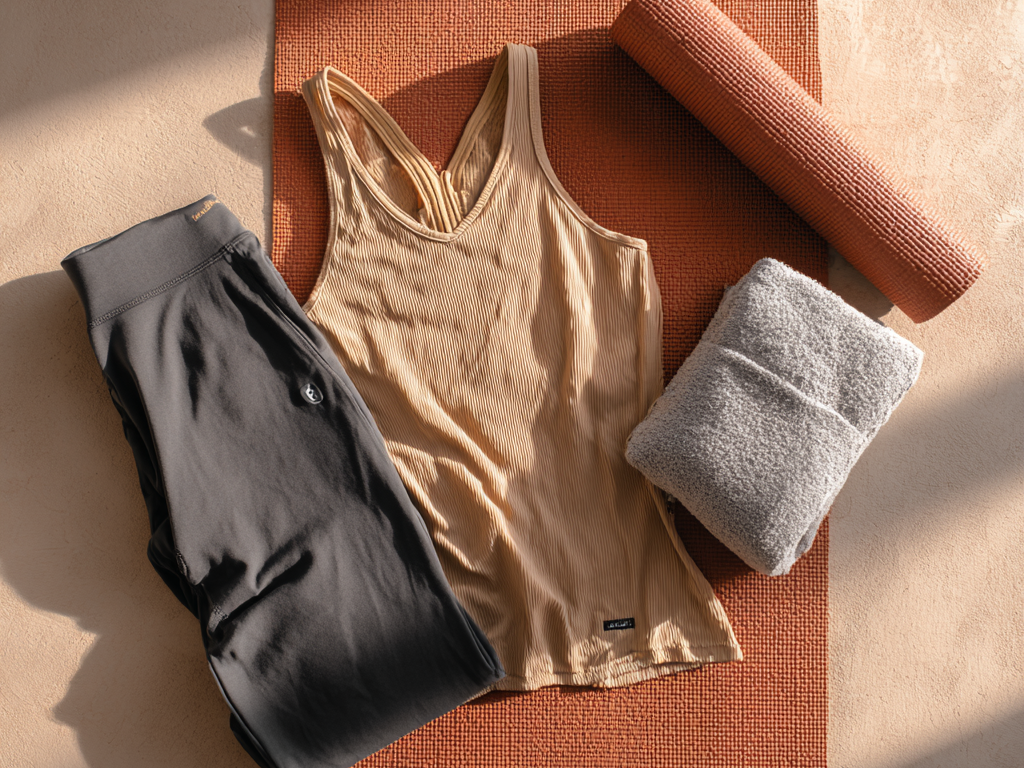
You wash your workout clothes after every session. You use plenty of detergent. And yet, the moment you start sweating in them again, the smell comes back. Sometimes it never fully left.
This isn't a hygiene problem. It's a fabric problem. Most activewear is made from polyester, nylon, or polyester blends, and these synthetic fibers have a molecular structure that traps body oils and the bacteria that feed on them in a way that cotton simply doesn't. A standard wash cycle with standard detergent often isn't enough to break those bonds.
Here's how to actually fix it.
Why Activewear Smells
Synthetic fibers are hydrophobic. They repel water but attract oils. When you sweat, your body produces oils along with moisture. The moisture evaporates (that's the "wicking" part that makes activewear functional), but the oils stay behind. They embed themselves between and within the synthetic fibers.
Bacteria colonize these oil deposits. Even after washing, if the oils remain, the bacteria return almost immediately once you start sweating again. This is why freshly washed activewear can smell fine out of the dryer but develop odor within minutes of your next workout.
The problem compounds over time. Each wash cycle that doesn't fully remove the oils adds another layer. Eventually, the garment has a permanent baseline odor that no amount of regular detergent can touch.
The Right Way to Wash Activewear
Pre-Wash: The Vinegar Soak
For activewear with embedded odor, start here before washing.
- Fill a basin or sink with cold water.
- Add one cup of white vinegar.
- Submerge the activewear and let it soak for 30 minutes.
- Drain and proceed to the machine wash. Don't rinse the vinegar out first.
Vinegar is mildly acidic and breaks down the oil-bacteria bond that standard detergent misses. This soak alone will handle most odor issues.
Machine Wash
Turn garments inside out. The inside of the fabric is where the oils and bacteria accumulate. Turning the garment exposes this surface to maximum detergent contact and agitation.
Wash in cold water. Hot water can damage the elastane/spandex in most activewear and can actually set odor-causing oils deeper into synthetic fibers. Cold water is sufficient when combined with the right detergent.
Use a sport-specific detergent. This is the single biggest change you can make. Sport detergents (like Hex Performance, Tide Sport, or Win Sports Detergent) contain enzymes and surfactants specifically formulated to break down body oils in synthetic fibers. Regular detergent is designed for cotton and doesn't fully penetrate synthetics.
If you don't have sport detergent, add half a cup of baking soda to your regular detergent. Baking soda boosts the cleaning power and helps neutralize acids that contribute to odor.
Do not use fabric softener. This cannot be emphasized enough. Fabric softener coats fibers with a waxy residue that seals in odors and dramatically reduces the moisture-wicking ability of performance fabrics. If you've been using fabric softener on activewear, this alone may be the source of your odor problem.
Don't overload the machine. Activewear needs room to move in the drum so the detergent can reach all surfaces. A loosely filled drum cleans better than a packed one.
Drying
Air dry whenever possible. Hang activewear on a drying rack or clothesline. Most activewear dries very quickly (within an hour or two) because of its synthetic composition.
If using a dryer, use the lowest heat setting. High heat degrades elastane and can cause polyester to develop a rough, pilled texture. It also bakes in any oils that survived the wash.
Never leave wet activewear in the machine. Bacteria multiply rapidly in warm, damp environments. Transfer to drying immediately after the cycle ends.
The Nuclear Option: Resetting Deeply Embedded Odor
If your activewear has had odor buildup for months and the methods above aren't cutting it, try this reset protocol.
- Fill a basin with hot water (as hot as the fabric can tolerate, check the care label).
- Add one cup of white vinegar and two tablespoons of baking soda. It will fizz. Let the fizzing subside.
- Submerge the garments and soak for two to four hours.
- Drain, then wash in the machine with sport detergent on the warmest setting the care label allows.
- Air dry.
For the most extreme cases, substitute the vinegar soak with an overnight soak in a solution of oxygen bleach (like OxiClean) dissolved in cool water. Oxygen bleach penetrates synthetic fibers more effectively than chlorine bleach (which you should never use on activewear, as it degrades elastane).
Preventing Odor from Building Up
Prevention is far easier than treatment. These habits keep activewear fresh long-term.
Don't let sweaty clothes sit in a gym bag. The warm, moist, enclosed environment is ideal for bacterial growth. If you can't wash immediately, at least hang the garments to air out. Some people keep a mesh laundry bag in their gym bag for airflow.
Wash after every wear. Unlike jeans or sweaters, activewear should never be worn twice between washes. The oil and bacteria accumulation from a single workout is significant.
Skip the fabric softener. Worth repeating. Every time.
Rotate your activewear. Having enough pieces to avoid washing the same items multiple times per week gives fibers time to recover and prevents the accelerated breakdown that comes from constant washing.
Air out your gym bag. Bags develop their own odor ecosystem. Leave yours open to air between uses, and wash it monthly.
Fabric-Specific Notes
Polyester: The biggest odor offender. Follow all steps above. Sport detergent is essential for polyester activewear.
Nylon: Slightly less odor-prone than polyester but still synthetic. Same care applies.
Merino wool activewear: Naturally antimicrobial. Wool fibers resist bacterial growth, which is why merino base layers can be worn multiple times before developing odor. Wash in cold water with a wool-specific or gentle detergent. Air dry flat. Do not use sport detergent on merino; the enzymes can damage wool fibers.
Cotton-blend activewear: More breathable than pure synthetics but slower to dry. Wash in cold to warm water with regular or sport detergent. Air dry or low tumble.
Bamboo-blend activewear: Similar care to cotton blends. Bamboo-derived rayon has some natural antimicrobial properties. Wash gently in cold water. Air dry.
What Not to Do
Don't double up on detergent. More detergent doesn't equal cleaner clothes. Excess detergent leaves residue in synthetic fibers that actually traps more odor. Use the recommended amount.
Don't wash activewear with towels. Towels shed lint that embeds in synthetic mesh fabrics. Wash activewear with other activewear or lightweight clothing.
Don't iron activewear. Most activewear contains elastane, which melts under direct heat. If something needs smoothing, a quick tumble in the dryer on low for five minutes works.
Don't use chlorine bleach. It degrades elastane and can cause synthetic fabrics to yellow. Stick with oxygen bleach for whitening and sanitizing.
Quick Reference
| Issue | Solution |
|---|---|
| Mild odor | Sport detergent + cold wash + air dry |
| Moderate odor | Vinegar soak 30 min, then sport detergent wash |
| Severe/embedded odor | Oxygen bleach overnight soak, then hot wash with sport detergent |
| Prevention | Sport detergent, no softener, air dry, wash after every wear |
| Merino wool | Cold, gentle detergent (not sport), air dry flat |
The smell in your activewear isn't because the clothes are old or because you sweat too much. It's because synthetic fibers hold onto oils in a way that regular detergent can't fully address. Switch to a sport detergent, drop the fabric softener, and do a vinegar soak when things get ahead of you. The difference is immediate.
Like these stories? You will (probably) love our monthly newsletter.
Member discussion