How to Wash a Down Jacket at Home
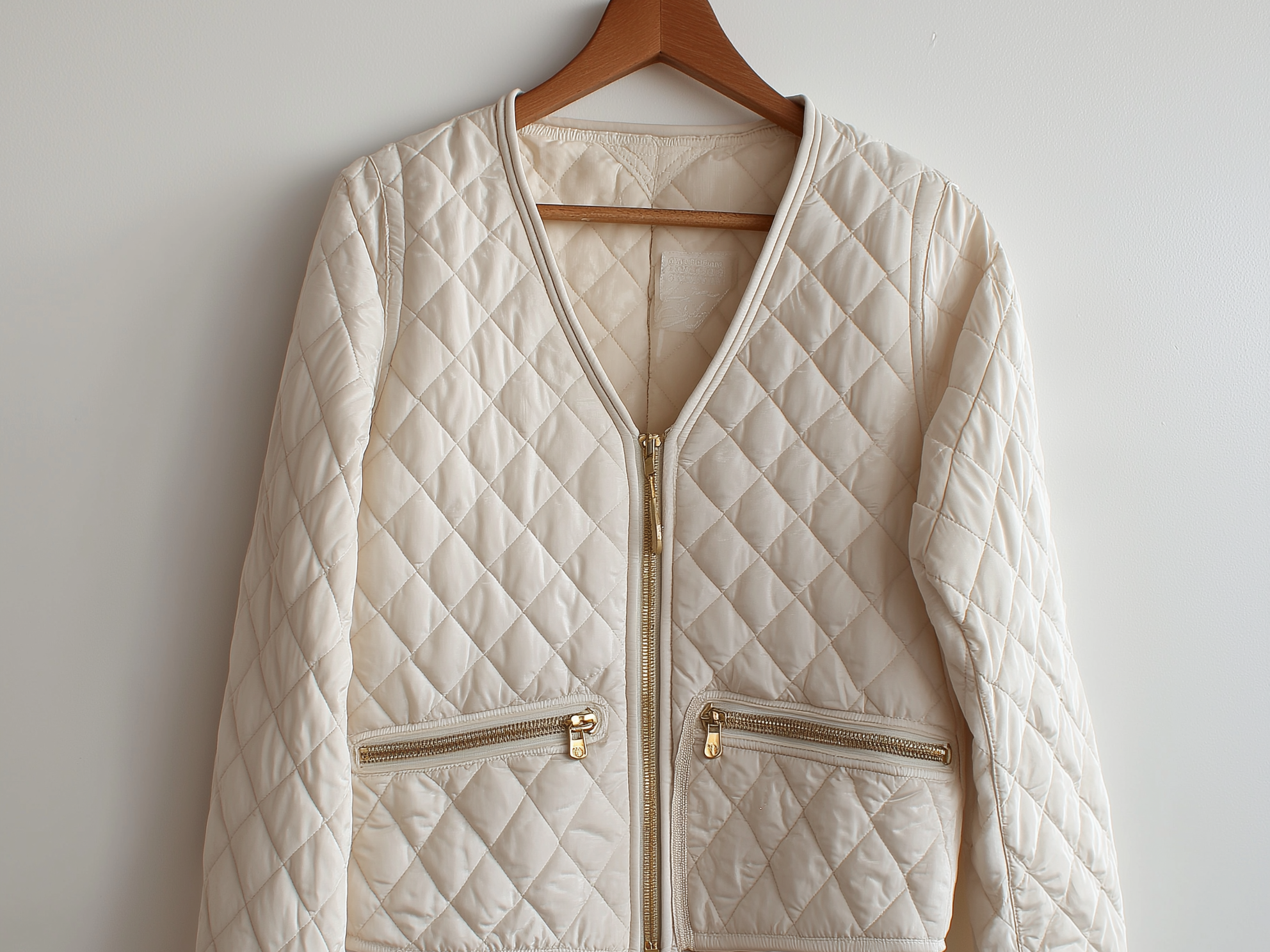
Most people send their down jackets to the dry cleaner, and most of those people are paying for a service they do not need. Down jackets can be washed at home in a regular washing machine. The process is straightforward, and doing it yourself actually produces better results than traditional dry cleaning, because dry cleaning solvents can strip the natural oils from down clusters and damage the waterproof coating on the outer shell.
The key to washing down is understanding what down is: clusters of soft, fluffy feathers that trap air for insulation. When those clusters get wet, they clump together and lose their loft. The entire goal of the washing and drying process is to clean the down without permanently clumping it.
Before You Start
Check the Care Label
Most modern down jackets are machine washable. The care label will confirm this. If the label says dry clean only, you can still likely wash it at home, but proceed with more caution and consider the construction. Down jackets with leather trim, delicate outer shells, or heavy embellishments may genuinely need professional care.
Check for Damage
Inspect the jacket for tears, loose seams, or areas where down is leaking out. Repair any damage before washing. Water and agitation will enlarge existing tears and push more down through weak seams. A few stitches with a needle and thread now prevents losing half the fill during the wash.
Pre-Treat Stains
Down jacket shells are typically nylon or polyester, both of which respond well to spot treatment. Apply a small amount of mild detergent or a stain remover directly to visible stains (collar grime, cuff marks, food spots) and gently work it in with your fingers. Let it sit for 10 minutes before washing.
The Washing Process
Step 1: Choose Your Detergent
Use a down-specific detergent like Nikwax Down Wash Direct, Grangers Down Wash, or Gear Aid ReviveX Down Cleaner. These detergents are formulated to clean down without stripping the natural oils that keep the clusters fluffy and lofted.
Do not use regular laundry detergent. Standard detergents leave residue that coats the down clusters, reducing their ability to loft and trap air. Do not use fabric softener for the same reason. And never use bleach.
Step 2: Prepare the Jacket
Close all zippers and fasten all velcro tabs. Turn the jacket inside out. This protects the outer shell from abrasion and helps the detergent reach the down more effectively.
Step 3: Wash
Place the jacket in the washing machine. A front-loading machine is ideal because it tumbles rather than agitates. Top-loading machines with a central agitator can be too rough and may damage the baffles (the stitched compartments that hold the down in place). If you only have a top-loader with an agitator, use the gentlest cycle available.
Set the machine to a gentle or delicate cycle with cold or lukewarm water. Add the down-specific detergent according to the product directions. Run the cycle.
Step 4: Extra Rinse
After the wash cycle completes, run an additional rinse cycle. Down traps detergent easily, and residual soap reduces loft. The extra rinse ensures all detergent is removed. This step is not optional. Skipping it is the most common cause of flat, clumpy down after washing.
The Drying Process (The Critical Step)
Drying is where most people fail with down jackets. A wet down jacket looks alarming. The down clumps into flat, heavy wads and the jacket looks ruined. It is not. You just need patience and the right technique.
Step 1: Remove Gently
Lift the jacket from the washing machine carefully. Wet down is heavy and the weight can stress the seams. Support the jacket from underneath rather than pulling it out by the collar or a single edge.
Step 2: Tumble Dry on Low
Place the jacket in the dryer on the lowest heat setting. High heat can melt the nylon shell and damage the down. Low heat takes longer but is safe.
Step 3: Add Dryer Balls
This is the most important part of the drying process. Add 3 to 4 clean tennis balls or wool dryer balls to the dryer. As the dryer tumbles, the balls bounce against the jacket and physically break up the clumps of wet down, redistributing the fill evenly throughout the baffles.
Without dryer balls, the down dries in clumps that never fully separate, and the jacket permanently loses loft in those areas.
Step 4: Be Patient
A down jacket takes 2 to 3 hours to dry completely on low heat. Sometimes longer for heavier jackets. Do not rush this. Remove the jacket every 30 to 45 minutes, take it out of the dryer, and manually fluff it. Pull apart any visible clumps with your fingers, shake the jacket gently, and put it back in.
The jacket is done when the down feels evenly distributed, no clumps remain, and the jacket has regained its full loft. If you press the jacket flat and it springs back immediately, it is dry. If it stays compressed, it needs more time.
Can You Air Dry a Down Jacket?
You can, but it is not recommended as the primary method. Air drying a down jacket takes 24 to 48 hours, and without the mechanical action of dryer balls, the down is likely to dry in clumps. If you must air dry, lay the jacket flat on a drying rack and manually fluff and redistribute the down every few hours. Flip the jacket regularly. Follow with at least 30 minutes in the dryer with dryer balls to break up any remaining clumps.
Restoring Water Repellency
Many down jackets have a durable water repellent (DWR) coating on the outer shell. This coating causes water to bead and roll off the surface. Over time, dirt, body oils, and repeated washing degrade the DWR.
After washing, you may notice that water no longer beads on the shell. Instead it soaks in, which is called “wetting out.” To restore the DWR, apply a spray-on or wash-in water repellent treatment like Nikwax TX.Direct or Grangers Performance Repel.
For spray-on treatments, apply evenly to the outer shell while the jacket is still slightly damp. Hang to dry, then tumble on low heat for 10 minutes to activate the treatment. For wash-in treatments, run the jacket through an additional wash cycle with only the repellent product (no detergent) and then tumble dry.
Restoring DWR is not required after every wash, but if you notice the shell wetting out in rain, it is time to reapply.
Down Jacket Storage
How you store a down jacket between seasons matters as much as how you wash it.
Never store compressed. The stuff sack that came with your jacket is for travel, not long-term storage. Compressing down for months damages the clusters and permanently reduces loft. Store your down jacket loosely.
Hang or store loosely in a large cotton bag. A breathable garment bag or even a clean cotton pillowcase works. The down needs space and air circulation.
Store clean. Body oils and dirt break down down clusters over time. Always wash your jacket before putting it away for the season.
Store in a cool, dry place. Avoid attics (too hot), basements (too damp), and garages (temperature swings). A bedroom closet is ideal.
When to Replace vs. Repair
A well-cared-for down jacket lasts 10 to 15 years. Signs that it is reaching the end of its useful life include significant, unrecoverable loss of loft even after proper washing and drying, permanent compression in high-wear areas, or repeated feather leakage from multiple seams.
Minor repairs are almost always worth doing. A small tear can be patched with a nylon repair tape or adhesive patch. A broken zipper can be replaced by a tailor or gear repair service. A leaky seam can be re-stitched. These repairs cost a fraction of replacement and extend the life of the jacket significantly.
For high-end down jackets from brands like Patagonia, Arc’teryx, or Canada Goose, many manufacturers offer repair services. Check with the brand before discarding a damaged jacket.
Quick Reference
• Use a down-specific detergent only. No regular detergent, no fabric softener, no bleach.
• Wash on gentle/delicate with cold or lukewarm water.
• Always run an extra rinse cycle.
• Dry on low heat with 3 to 4 dryer balls.
• Fluff manually every 30 to 45 minutes during drying.
• Restore DWR coating when the shell starts wetting out.
• Store loosely in a breathable bag, never compressed.
• Wash before seasonal storage.
Like these stories? You will (probably) love our monthly newsletter.


Member discussion