How to Remove Coffee Stains from Everything
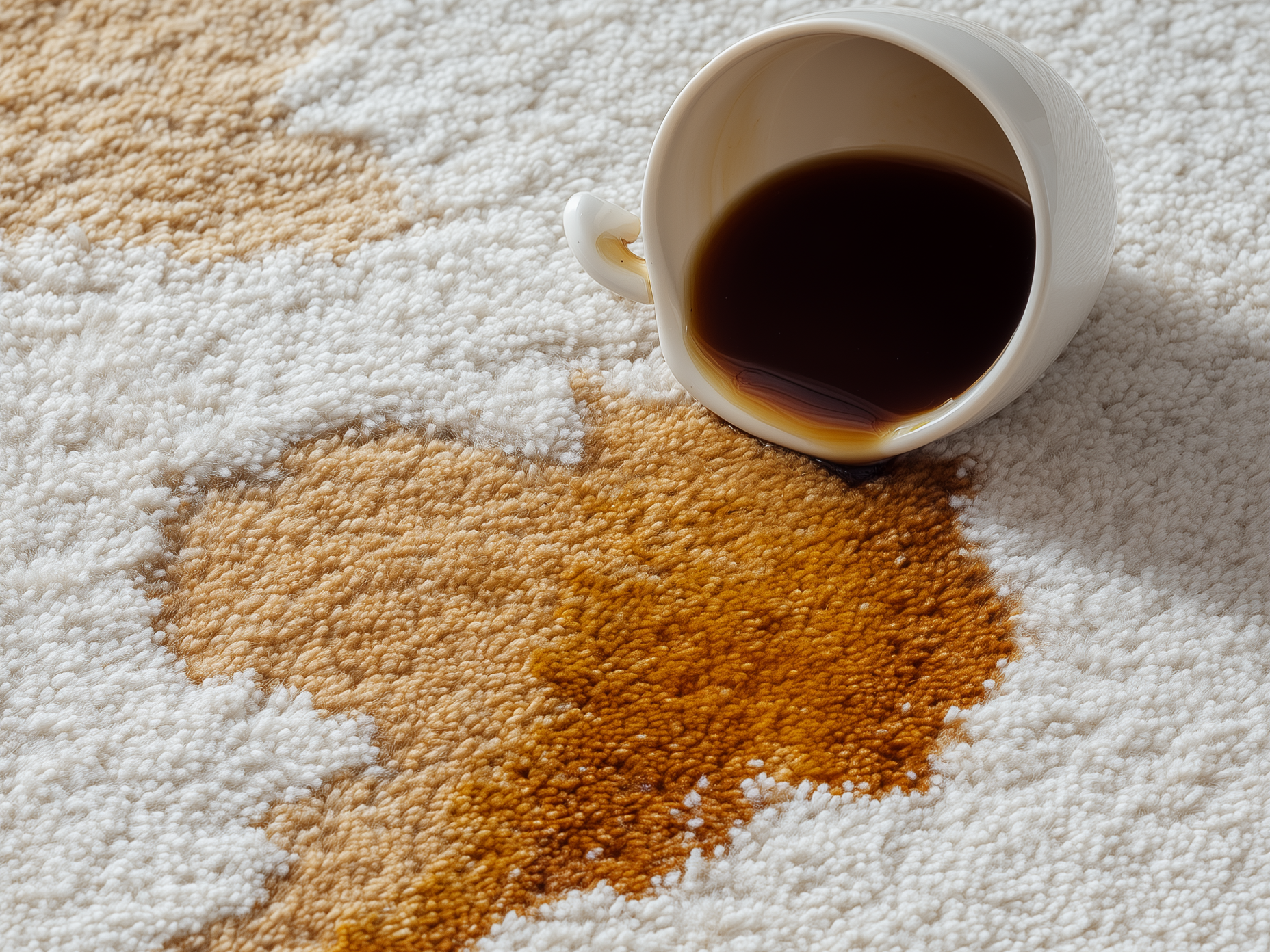
Coffee stains are one of the most common fabric disasters for a simple reason: we drink coffee every day, often while moving, often before we are fully awake. A spill on your shirt at 7 AM sets the tone for the entire day if you do not know how to handle it.
The chemistry of coffee stains is straightforward. Coffee contains tannins, a class of organic compounds that bond readily with textile fibers. The darker the roast and the longer the stain sits, the deeper the bond. Milk and sugar in the coffee add protein and carbohydrate layers to the stain, making it slightly more complex but still very treatable.
The single most important factor in coffee stain removal is speed. A fresh coffee stain takes 30 seconds to treat. A dried one can take 30 minutes. Here is how to handle both.
Fresh Coffee Stains (First 5 Minutes)
If the coffee just hit your clothes, you have a wide window to get it out completely with nothing more than cold water.
Step 1: Run cold water through the back of the stain immediately. Not the front. The back. This pushes the coffee out of the fibers rather than deeper into them. Hold the stained area under a cold tap with the inside of the garment facing the water stream.
Step 2: Continue flushing with cold water for 2 to 3 minutes. You will see the stain lightening as the tannins wash out.
Step 3: If the stain is not completely gone, rub a small amount of liquid dish soap or hand soap into the area. Work it in gently with your fingers.
Step 4: Rinse again with cold water. The stain should be gone or nearly invisible.
Step 5: Launder as normal when you get home. Check the stain before putting the garment in the dryer.
This method works on black coffee, espresso, americano, and any coffee without milk. If your coffee had milk or cream, see the section on milk-based coffee stains below.
Dried Coffee Stains
A coffee stain that has dried and set requires more effort, but it is still removable in most cases. The tannins have bonded with the fibers, so you need a treatment that breaks those bonds.
Method 1: White Vinegar and Dish Soap
Step 1: Mix one tablespoon of white distilled vinegar, one tablespoon of liquid dish soap, and two cups of cold water.
Step 2: Soak a clean cloth in the solution and blot the stain from the outside edges inward. Working from the outside prevents the stain from spreading.
Step 3: Let the solution sit on the stain for 15 minutes.
Step 4: Rinse with cold water and check the stain. Repeat if needed.
Step 5: Machine wash on cold.
Method 2: Baking Soda Paste
For older stains or stains that have already been through the wash, baking soda provides a mild abrasive action that lifts tannins from fibers.
Step 1: Dampen the stained area with cold water.
Step 2: Make a paste of baking soda and water (roughly equal parts). Apply it to the stain in a thick layer.
Step 3: Let it sit for 30 minutes to an hour. For very old stains, leave it for several hours.
Step 4: Brush off the paste and rinse with cold water.
Step 5: If the stain has lightened but not disappeared, follow with the vinegar and dish soap method above.
Method 3: Oxygen-Based Bleach Soak (For White and Light Fabrics)
For white cotton, white linen, and other light-colored fabrics that can tolerate bleaching, an oxygen-based bleach soak is the most effective method for old, set-in coffee stains.
Step 1: Dissolve oxygen-based bleach (like OxiClean) in warm water according to the package directions.
Step 2: Submerge the stained garment and let it soak for 1 to 4 hours. For severe stains, soak overnight.
Step 3: Check the stain. If it has faded significantly, launder as normal. If it persists, soak again with a fresh solution.
Do not use chlorine bleach on coffee stains. Chlorine bleach can react with the tannins and actually set the stain permanently, creating a yellowish mark that is worse than the original coffee stain.
Coffee with Milk, Cream, or Sugar
Milk and cream add a protein component to the stain. Sugar adds a sticky residue that traps the tannins against the fiber. These additions make the stain slightly more complex, but the treatment adjusts easily.
The key difference: use cold water only. Hot water cooks the milk protein into the fabric, the same way heat denatures an egg. Once the protein is set by heat, it becomes much harder to remove.
Follow the same cold water flush method for fresh stains. For dried stains with milk, add an enzyme-based stain treatment (like a pre-wash spray) before washing. Enzymes break down protein, which is exactly what you need. Apply the enzyme treatment, let it sit for 15 minutes, then wash on cold.
One important note: enzyme-based treatments are not safe for silk or wool. These are protein fibers, and the same enzymes that break down milk protein will damage the fabric itself. For coffee-with-milk stains on silk or wool, stick to the cold water and vinegar method.
Fabric-Specific Guidance
Cotton and Linen
The easiest fabrics to treat. Cold water flush for fresh stains, vinegar and dish soap for dried stains. White cotton and linen can handle oxygen-based bleach for stubborn marks. These fibers tolerate scrubbing and repeated treatment without damage.
Silk
Blot immediately with a clean, damp cloth. Do not rub. For fresh stains, cold water flushing from the back of the stain usually works. For dried stains on silk, apply a solution of equal parts white vinegar and cold water, blot gently, and rinse. If the stain persists, take it to a dry cleaner. Never use enzyme treatments, bleach, or hot water on silk.
Wool and Cashmere
Blot the stain with cold water immediately. For dried stains, sponge the area with a mixture of one part white vinegar and two parts cold water. Blot with a clean cloth, do not rub. Rinse by pressing a damp cloth against the area. Lay flat to dry. Avoid enzyme treatments on wool and cashmere.
Polyester and Synthetics
Synthetic fibers release coffee stains more readily than natural fibers. The cold water method works well for fresh stains. For dried stains, dish soap worked into the stain and left for 10 minutes before washing usually does the job. Synthetics can handle warm water for coffee stains, but cold is safer.
Denim
Denim is forgiving with coffee stains. Flush with cold water, apply dish soap, and wash as normal. For dark denim, turn inside out before washing to protect the indigo dye. The dense weave of denim means coffee stains often look worse than they are; the tannins sit on the surface longer before penetrating.
Coffee Stains on Upholstery and Carpet
The principles are the same, but you cannot put a sofa cushion under a tap.
For upholstery, blot the spill immediately with a clean, dry cloth. Do not rub. Mix one tablespoon of dish soap with two cups of cold water. Dip a clean cloth in the solution and blot the stain from the outside inward. Follow with a cloth dampened with plain cold water to rinse. Blot dry.
For carpet, the same approach works. Blot, treat with the dish soap solution, blot again with clean water, and blot dry. For light-colored carpet with a stubborn stain, you can use the vinegar and dish soap solution. Avoid soaking the carpet pad, as excess moisture under carpet causes mold.
What Not to Do
• Do not use hot water on fresh coffee stains. Heat sets tannins into fibers. Always start cold.
• Do not rub a fresh stain. Blot and flush. Rubbing spreads the stain and pushes it deeper.
• Do not use chlorine bleach on coffee. It reacts with tannins and can create a permanent yellow mark.
• Do not put a coffee-stained garment in the dryer until the stain is completely gone. Check while the fabric is still damp.
• Do not use enzyme-based treatments on silk or wool. Enzymes digest protein fibers.
The Office Emergency Kit
If you drink coffee at work, keep a small emergency kit in your desk: a few paper napkins, a travel-size bottle of clear dish soap, and a small container of baking soda. With these three items, you can treat any coffee stain within seconds of it happening. Blot, apply a drop of soap, work it in gently, blot with a damp napkin, and carry on with your day. Launder properly when you get home.
Prevention is also worth considering. A travel mug with a secure lid eliminates 90% of coffee spill situations. It is not glamorous advice, but it is effective.
Like these stories? You will (probably) love our monthly newsletter.
Member discussion