How to Get Blood Stains Out of Fabric
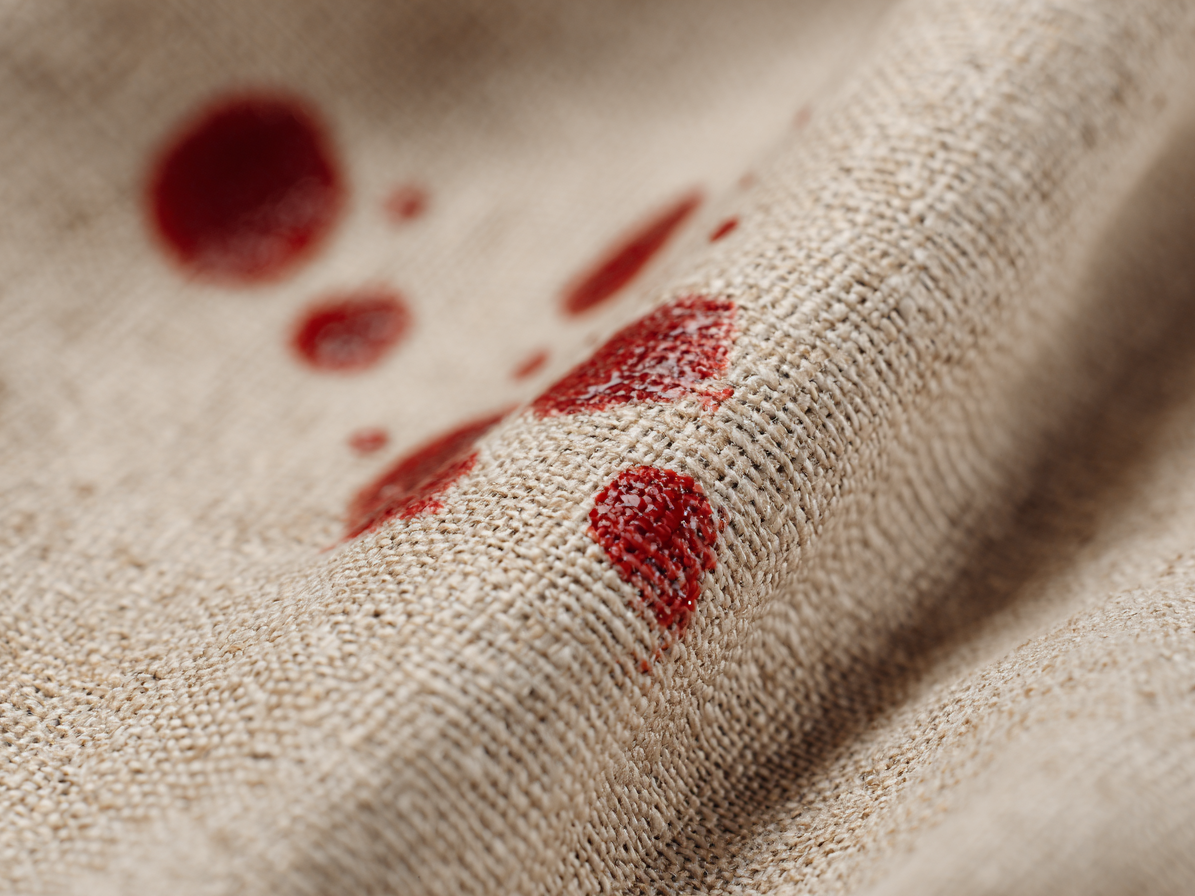
Blood stains are protein-based, which means they respond to a very specific set of treatments and are made dramatically worse by one common mistake: hot water. Heat cooks the protein in blood the same way it cooks an egg. Once the protein denatures and bonds with the fabric fibers, the stain becomes extremely difficult to remove. Everything in this guide depends on one principle: cold water only, until the stain is completely gone.
Fresh Blood Stains (First 10 Minutes)
A fresh blood stain is the easiest stain to remove if you act quickly. The hemoglobin has not yet bonded with the textile fibers, and cold water alone can do most of the work.
Step 1: Run cold water through the back of the stain. Position the fabric so the water enters from the inside (the side that did not contact the blood) and pushes the blood out of the fibers rather than deeper in.
Step 2: Continue flushing with cold water for 3 to 5 minutes. Rub the fabric gently against itself under the water to help loosen the blood.
Step 3: If any discoloration remains, apply a small amount of liquid hand soap or dish soap directly to the stain. Work it in with your fingers. Rinse with cold water.
Step 4: Machine wash on cold with your regular detergent. Check the stain before putting the garment in the dryer.
For most fresh blood stains on cotton, linen, and synthetics, this four-step process removes the stain completely. No special products needed.
Dried Blood Stains
Once blood has dried, the hemoglobin has partially bonded with the fabric. You need a treatment that breaks down the protein before you can wash it out. Here are three methods, ranked from gentlest to most aggressive.
Method 1: Cold Water Soak and Soap
The simplest approach. Works well on light to moderate dried stains.
Step 1: Soak the stained area in cold water for 30 minutes to an hour. This rehydrates the dried blood and begins loosening the bond with the fibers.
Step 2: Apply liquid soap directly to the stain and work it in gently. Let it sit for 10 minutes.
Step 3: Rub the fabric gently against itself under cold running water.
Step 4: If the stain has lightened but is still visible, repeat the soak and soap treatment before washing.
Step 5: Machine wash on cold.
Method 2: Hydrogen Peroxide
Hydrogen peroxide (3% solution, the standard drugstore kind) is excellent at breaking down blood proteins. It works through an oxidation reaction that dissolves hemoglobin. This method is best for white and light-colored fabrics.
Step 1: Apply hydrogen peroxide directly to the dried blood stain. You will see it fizz as it reacts with the hemoglobin. This fizzing is the peroxide breaking down the blood protein.
Step 2: Let it sit for 10 to 15 minutes.
Step 3: Blot with a clean cloth dampened with cold water.
Step 4: Repeat if the stain is still visible. Stubborn stains may need 2 to 3 applications.
Step 5: Machine wash on cold.
Use caution on colored fabrics. Hydrogen peroxide can bleach some dyes. Always test on an inconspicuous area first. For dark-colored garments, the salt paste method below is safer.
Method 3: Salt Paste
Salt draws moisture out of the blood stain and acts as a mild abrasive to lift the residue from fibers. This method is safe for colored fabrics and delicates.
Step 1: Make a paste of fine table salt and cold water. The consistency should be thick, like wet sand.
Step 2: Apply the paste directly to the stain, covering it completely.
Step 3: Let it sit for 30 minutes to an hour. The salt absorbs the rehydrated blood.
Step 4: Brush off the salt and rinse with cold water.
Step 5: If the stain is lighter but still present, follow with the soap method or an enzyme-based treatment.
Enzyme-Based Treatments
Enzyme-based stain removers and detergents are specifically designed to break down protein stains. They contain protease enzymes that digest the hemoglobin molecules, making them water-soluble and easy to rinse away. Products like Zout, Biz, or any detergent labeled “enzymatic” or “biological” work well.
Apply the enzyme treatment directly to the stain, let it sit for 15 to 30 minutes, and wash on cold. For very old or large stains, soak the entire garment in an enzyme detergent solution overnight.
Critical exception: do not use enzyme treatments on silk or wool. These are protein fibers. The same enzymes that break down blood protein will break down the fabric itself, causing irreversible damage.
Fabric-Specific Guidance
Cotton and Linen
The most forgiving fabrics for blood stain removal. All methods above work well. White cotton and linen can handle hydrogen peroxide safely. For stubborn stains on white fabric, an overnight soak in oxygen-based bleach (not chlorine bleach) is effective.
Silk
Cold water and gentle blotting only. If the stain is fresh, cold water flush from the back will usually remove it. For dried blood on silk, soak in cold water for 30 minutes, then blot with a solution of one part white vinegar and two parts cold water. If the stain persists, take it to a dry cleaner. Do not use hydrogen peroxide, enzyme treatments, or any abrasive method on silk.
Wool and Cashmere
Cold water soak followed by gentle blotting with soapy water. Use a wool-safe detergent, not dish soap. The salt paste method works well on wool. Do not use enzyme-based products. If the stain is on a valuable wool or cashmere garment and home treatment did not fully remove it, professional wet cleaning is the next step.
Synthetics
Polyester, nylon, and other synthetics resist blood stains better than natural fibers. The cold water flush method usually works for fresh stains. For dried stains, hydrogen peroxide or enzyme treatments are both safe and effective. Synthetics tolerate more aggressive treatment without damage.
Denim
Cold water and soap for fresh stains. For dried blood on denim, hydrogen peroxide works well on light-wash denim. For dark denim, use the salt paste method or an enzyme treatment to avoid lightening the indigo dye. Turn inside out before machine washing.
Mattresses and Upholstery
You cannot submerge a mattress, so spot treatment is the only option. Mix two tablespoons of salt with one tablespoon of dish soap and one tablespoon of hydrogen peroxide. Apply the paste to the stain, let it sit for 30 minutes, and blot with a cold, damp cloth. Repeat as needed. For mattresses, work gently to avoid pushing moisture deep into the padding.
Old, Set-In Blood Stains
Stains that have been through a dryer or sat untreated for weeks are the most challenging. The heat from the dryer has permanently bonded some of the protein to the fibers, and time has allowed the hemoglobin to oxidize and darken.
Your best approach is a multi-step treatment. Start with a long cold water soak (several hours or overnight). Follow with an enzyme-based stain remover applied directly to the stain. Let the enzymes work for at least 30 minutes. Then wash on cold. You may need to repeat this process 2 to 3 times to fully remove an old stain.
For white fabrics, an oxygen-based bleach soak overnight can work on very old stains. Dissolve the bleach in cold water, submerge the garment, and check in the morning. Machine wash on cold.
Accept that some very old, heat-set stains may not come out completely. You can usually lighten them significantly, but a faint shadow may remain. Professional stain removal services have access to stronger treatments if the garment is valuable enough to warrant the cost.
What Never to Do
• Never use hot water on blood. Heat sets blood stains permanently. Cold water only, always.
• Never put a blood-stained garment in the dryer until the stain is completely gone. The heat from the dryer cooks the protein into the fiber.
• Never use chlorine bleach on blood stains. Chlorine bleach reacts with hemoglobin and can create a permanent yellowish-brown mark that is worse than the original stain.
• Never rub a blood stain vigorously. Blot and press. Rubbing pushes the blood deeper into the fibers and spreads the stain outward.
• Never use enzyme treatments on silk or wool. The enzymes will damage the protein-based fibers.
Like these stories? You will (probably) love our monthly newsletter.

Member discussion