How to Clean Suede Shoes (Without Ruining Them)
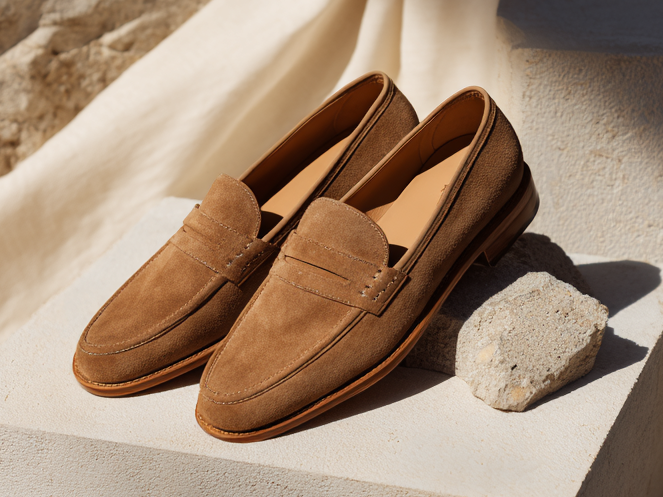
Suede is leather with the grain side turned inward, exposing the soft, napped underside. That velvety texture is what makes suede beautiful and what makes it terrifying to own. Water stains it. Dirt embeds in the nap. Oil darkens it permanently. Most people either avoid suede entirely or ruin it with the wrong cleaning method within a few months.
Neither response is necessary. Suede is more resilient than its reputation suggests, and the care routine is simpler than you think. It just requires the right tools and the discipline to avoid water.
The Essential Suede Care Kit
Before you clean anything, assemble these tools. You will use them repeatedly.
• A suede brush with brass or nylon bristles on one side and crepe rubber on the other. This is the single most important suede care tool. The bristles lift the nap and remove dry surface dirt. The crepe rubber side lifts embedded debris.
• A suede eraser (also called a cleaning block). A dense, gum-like block that removes scuffs and surface stains through friction. Works like a pencil eraser on suede.
• A suede protector spray. A silicone-free waterproofing spray designed specifically for suede and nubuck. This is preventive care, not a cleaning product.
• White vinegar or rubbing alcohol for stain treatment.
• Clean, white cloths.
Routine Maintenance
The best suede cleaning is preventive. A two-minute routine after each wear keeps suede shoes looking new and prevents the buildup that leads to permanent staining.
After every wear: Brush the shoes with your suede brush in one direction to remove surface dust and restore the nap. Brushing in one direction keeps the nap uniform and prevents a patchy appearance. This takes 30 seconds per shoe.
Once a month: Give the shoes a more thorough brushing, working the bristles into seams and creases where dirt accumulates. Use the crepe rubber side of the brush on any areas that feel matted or flat.
Every 2 to 3 months: Reapply suede protector spray. Hold the can 6 to 8 inches from the shoe and spray in even, light coats. Let it dry completely (20 to 30 minutes) before wearing. Two light coats are better than one heavy coat.
Removing Dry Stains and Scuffs
Most marks on suede can be removed with the suede eraser and brush, no liquid needed.
Step 1: Let any dirt or mud dry completely. Never try to clean wet mud from suede. Wet rubbing pushes the dirt deeper into the nap. Let it dry, then brush it off.
Step 2: Rub the suede eraser over the stain using moderate pressure. The friction generates heat that loosens embedded dirt and lifts scuff marks. Work in short, back-and-forth strokes.
Step 3: Brush the area with the suede brush to restore the nap and remove eraser debris.
This method handles scuffs, light dirt marks, and most everyday wear-and-tear marks. For more serious stains, continue to the sections below.
Water Stains
Water stains on suede are caused by uneven drying. When water hits suede, it darkens the affected area. As it dries, minerals in the water leave a visible ring where the edge of the wet area was. The counterintuitive solution is more water.
Step 1: Lightly dampen the entire shoe with a clean, damp cloth or a very fine mist from a spray bottle. The goal is to even out the moisture so the entire surface dries uniformly, eliminating the ring.
Step 2: Stuff the shoe with paper towels or a shoe tree to hold its shape.
Step 3: Let the shoe dry naturally at room temperature. Do not use a hair dryer, radiator, or direct heat. Heat warps leather and can cause permanent stiffening.
Step 4: Once completely dry, brush with the suede brush to restore the nap.
Step 5: Apply suede protector spray to help prevent future water stains.
Oil and Grease Stains
Oil is suede’s worst enemy. It darkens the nap (the soft, raised surface of the leather) permanently if not treated quickly. Time is critical.
Step 1: Blot any excess oil immediately with a clean, dry cloth. Do not rub. Press and lift.
Step 2: Cover the stain with a generous layer of cornstarch, baking soda, or talcum powder. These absorb oil from the suede nap.
Step 3: Let the powder sit for at least 4 hours, ideally overnight. The longer it sits, the more oil it draws out.
Step 4: Brush off the powder with the suede brush.
Step 5: If a shadow remains, repeat the treatment. Old or heavy oil stains may need 2 to 3 applications.
For oil stains that do not respond to powder treatment, take the shoes to a professional leather cleaner. Do not try liquid solvents on suede at home. The risk of spreading the stain or damaging the nap is too high.
Salt Stains (Winter)
Road salt leaves white, crusty marks on suede that eat into the leather if left untreated. This is the most common winter damage to suede shoes.
Step 1: Mix equal parts white distilled vinegar and water.
Step 2: Dampen a clean white cloth with the solution and blot the salt stains gently. Do not saturate the leather.
Step 3: Let the shoes dry naturally, stuffed with paper towels.
Step 4: Brush to restore the nap once fully dry.
During winter months, treat salt stains the day they appear. Salt is corrosive and causes permanent damage to suede if it sits for days.
Ink and Dye Transfer Stains
Ink stains and dye transfer from dark denim are among the hardest stains to remove from suede.
For ink, dab (do not rub) the stain with a cotton ball dampened with rubbing alcohol. Work from the outside of the stain inward. Let dry, then brush. Repeat if needed. Rubbing alcohol evaporates quickly and does not leave water marks, making it one of the few liquids safe for suede spot treatment.
For dye transfer from jeans, the suede eraser is your first option. Rub firmly over the blue marks, then brush. If the dye has penetrated deeply, a professional suede cleaner is the best next step. Dye transfer is chemically bonded to the leather and is often permanent.
Storage
Store suede shoes with cedar shoe trees inserted. The cedar absorbs moisture, maintains the shoe’s shape, and deodorizes naturally. If you do not have shoe trees, stuff the shoes with acid-free tissue paper.
Store in a cool, dry location with air circulation. Do not store suede shoes in plastic bags or airtight containers. Suede needs to breathe. A cloth shoe bag or an open shelf is fine.
Keep suede away from other leather shoes in storage. Dark leather can transfer dye onto light suede in a warm closet.
When to Go Professional
If your suede shoes have significant staining, widespread discoloration, or heavy soiling that brushing and erasing cannot address, a professional suede and leather cleaning service is worth the cost. Professional cleaners use specialized techniques and products that restore suede to near-original condition without the risks of home treatment.
Look for a cleaner that specializes in leather and suede, not a general dry cleaner. General dry cleaners often use solvents that damage suede’s nap and alter its texture. A specialist understands the material and has the equipment to handle it properly.
The Suede Mindset
Suede shoes are not fragile. They are simply different from smooth leather and require a different type of attention. The entire care routine amounts to 30 seconds of brushing after each wear and a few minutes of protector spray every few months. In return, suede develops a patina and character that smooth leather cannot match.
The people who love suede are the ones who stopped worrying about it and started maintaining it. The brush is the whole secret.
Like these stories? You will (probably) love our monthly newsletter.

Member discussion