How to Care for a Leather Jacket
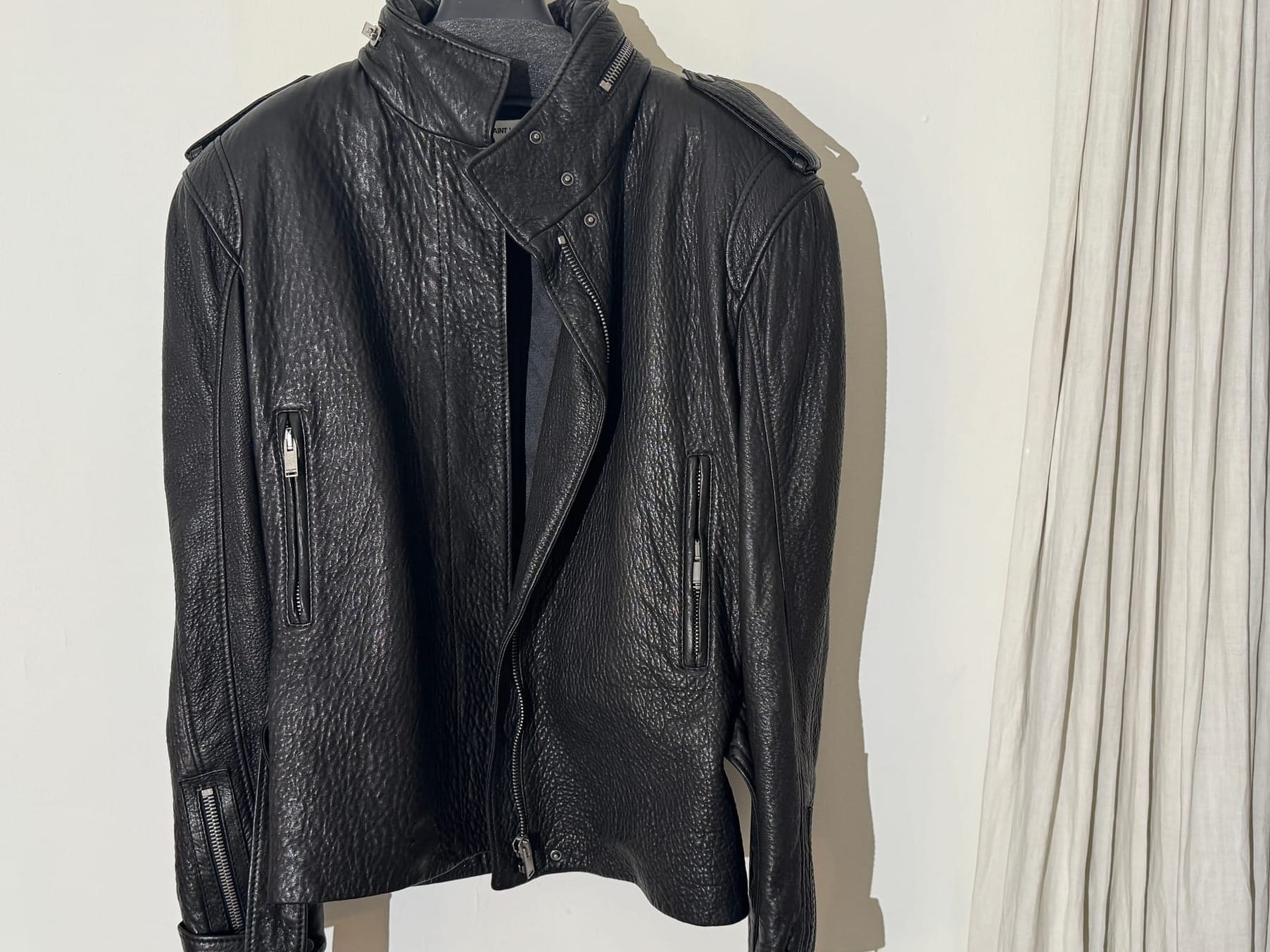
A leather jacket is one of the few garments that actually improves with age. The creases soften, the patina deepens, the leather molds to your body. But this only happens if you care for it properly. Neglect a leather jacket and it dries out, cracks, and loses the suppleness that makes it beautiful.
Leather is skin. It was once alive. It needs moisture, protection from the elements, and thoughtful storage. Treat it that way and it will last decades.
Daily Habits That Matter
The best leather care happens before anything goes wrong. Most of the damage people see on leather jackets comes from ignoring small things over time.
Hang your leather jacket on a wide, padded hanger when you take it off. Wire hangers and thin wooden hangers create pressure points at the shoulders that distort the shape over time. A broad-shouldered hanger distributes the weight evenly.
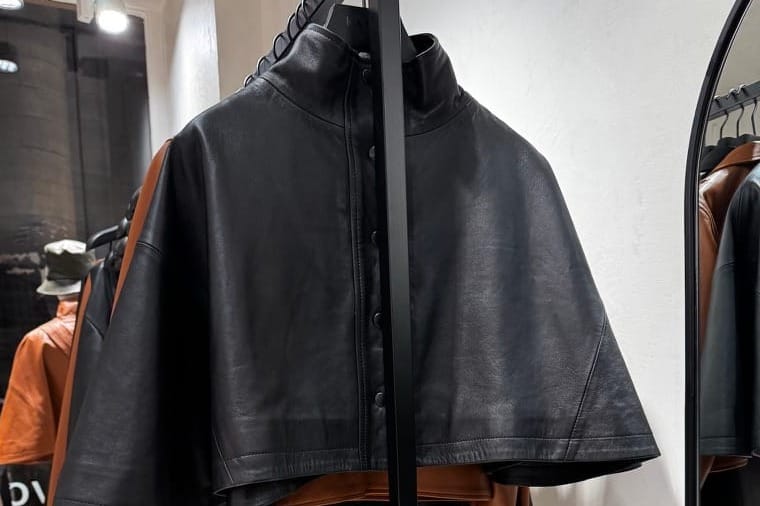
Let it breathe. If you wore your jacket in rain or sweat, hang it in a well-ventilated area (not a closed closet) for a few hours before storing it. Leather needs air circulation to release moisture and prevent mildew.
Keep it away from direct heat and sunlight. Never hang a leather jacket near a radiator, heater, or in direct sun. Heat dries out the natural oils in leather and causes cracking. Sunlight fades the color unevenly.
Cleaning Your Leather Jacket
Leather does not need frequent cleaning. For most people, a thorough cleaning two to three times a year is enough. Overcleaning strips the natural oils and protective finish.
Routine Cleaning
Wipe the jacket down with a soft, dry cloth to remove surface dust. For light dirt or smudges, dampen the cloth slightly with water and wipe gently. Dry immediately with a second cloth. That is the extent of routine cleaning for most leather jackets.
Spot Cleaning Stains
For water spots, dampen the entire panel (not just the spot) with a lightly wet cloth. This evens out the moisture and prevents a watermark from forming as it dries. Let it dry naturally at room temperature.
For grease or oil stains, sprinkle a small amount of cornstarch or baking soda on the stain. Let it sit overnight. The powder absorbs the oil. Brush it off gently in the morning. Repeat if necessary.
For ink stains, dab (do not rub) with a cotton ball dipped in rubbing alcohol. Test on an inconspicuous area first, as alcohol can strip color from some leather finishes. Blot dry immediately.
Deep Cleaning
For a full deep clean, use a leather-specific cleaner. Apply a small amount to a soft cloth and work in gentle circular motions across the entire jacket, one panel at a time. Do not saturate the leather. Wipe off the residue with a clean, damp cloth and let it dry naturally.
Never use household soap, dish detergent, baby wipes, or all-purpose cleaners on leather. These products strip the protective finish and leave residue that accelerates deterioration.
Conditioning: The Most Important Step
Conditioning is to leather what moisturizer is to skin. It replaces the natural oils that evaporate over time, keeping the leather soft, supple, and resistant to cracking.
Condition your leather jacket every 3 to 6 months, depending on how often you wear it and the climate you live in. Dry climates and frequent wear call for conditioning every 3 months. Humid climates and occasional wear can stretch to 6 months.
How to Condition
Step 1: Start with a clean jacket. Do not condition over dirt or residue.
Step 2: Apply a small amount of leather conditioner to a soft, lint-free cloth. Less is more. A thin, even layer is better than a heavy application.
Step 3: Work the conditioner into the leather in gentle circular motions. Cover the entire jacket, paying extra attention to areas that flex and crease: the elbows, the shoulders, the back where it folds when you sit.
Step 4: Let the conditioner absorb for 15 to 20 minutes.
Step 5: Buff off any excess with a clean, dry cloth. The leather should feel soft and supple, not greasy or slick.
Choosing a Conditioner
Look for a conditioner made specifically for your type of leather. For smooth, finished leather (the most common type in jackets), a cream-based conditioner works well. Brands like Leather Honey, Chamberlain’s Leather Milk, and Bickmore are all reliable.
Avoid products that contain silicone, petroleum, or mineral oil. These coat the surface without actually penetrating the leather, creating a film that traps moisture and eventually causes damage. Mink oil is a traditional option but can darken light-colored leather, so test on a hidden area first.
Waterproofing and Weather Protection
Leather and water have a complicated relationship. A few drops of rain will not hurt your jacket. A downpour can.
Water causes leather to swell, stiffen, and lose its natural oils as it dries. Repeated water exposure without proper care leads to cracking and discoloration.
Preventive Waterproofing
Apply a leather-specific water repellent spray before the rainy season. These sprays create an invisible barrier that causes water to bead and roll off rather than absorb. Reapply every few months during wet seasons. Spray evenly from about 8 inches away, covering the entire surface.
If Your Jacket Gets Soaked
Do not panic. Blot off excess water with a clean towel. Do not wring or twist. Hang the jacket on a wide hanger in a room-temperature space with good air circulation. Do not use a hair dryer, radiator, or direct heat source. Let it dry naturally, which may take 24 to 48 hours.
Once fully dry, the leather will likely feel stiff. Apply conditioner generously following the steps above. The conditioning restores the oils that water displaced and brings the leather back to its natural suppleness.
Storage
How you store a leather jacket matters as much as how you clean it.
Short-Term (Daily / Weekly)
Hang on a wide, padded hanger in a ventilated closet. Leave space around it so air can circulate. Do not crush it between other garments. Do not fold it.
Long-Term (Seasonal Storage)
If you are putting a leather jacket away for the season, clean and condition it first. Wrap it loosely in a breathable cotton garment bag or a clean cotton sheet. Never store leather in a plastic garment bag. Plastic traps moisture promoting mildew growth.
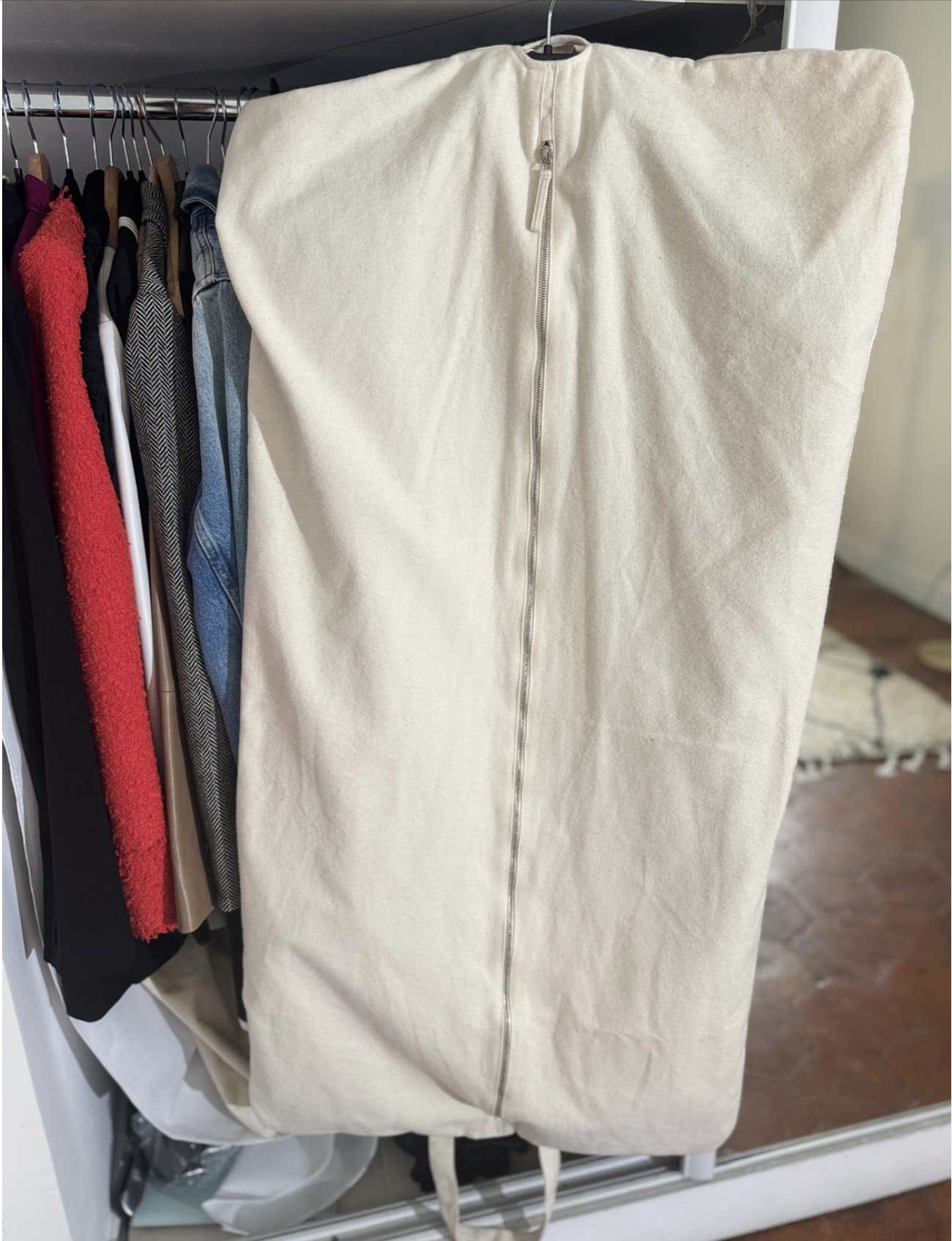
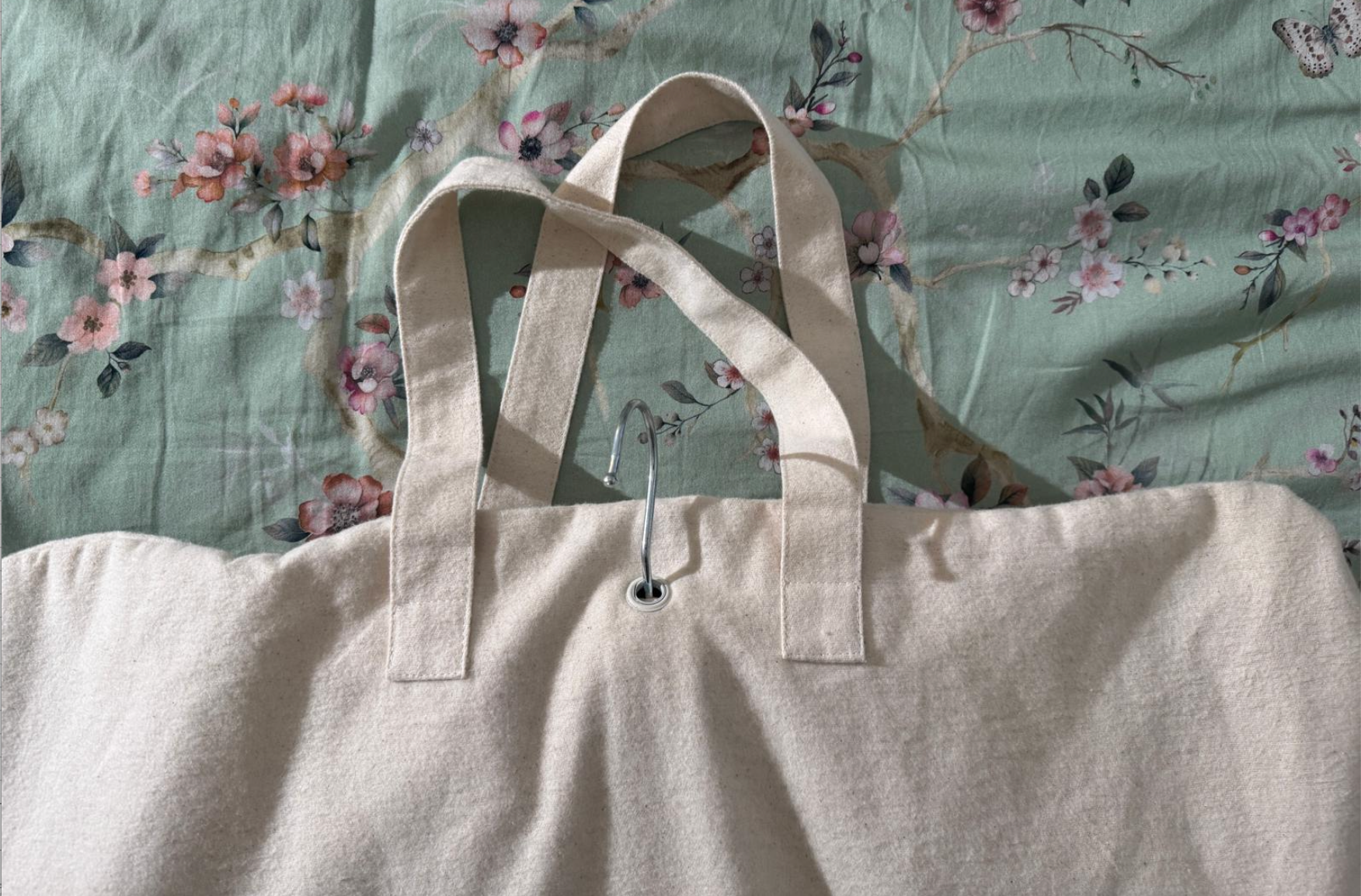
Store in a cool, dark, dry location. Avoid attics (too hot), basements (too damp), and garages (temperature fluctuations). A bedroom closet or wardrobe is ideal.
If possible, check on the jacket once a month during storage. A quick visual inspection catches mildew or drying before it becomes serious.
Common Problems and Fixes
Scratches and Scuffs
Light surface scratches on finished leather can often be buffed out with your fingertip. The warmth and oil from your skin softens the leather and blends the scratch into the surrounding area. For deeper scuffs, apply a small amount of leather conditioner and work it in with circular motions. Many scratches become part of the patina over time.
Cracking
Cracking means the leather has lost too much moisture. If the cracks are superficial, deep conditioning can restore flexibility. Apply conditioner, let it soak for an hour, buff off the excess, and repeat the next day. For severe cracking, take the jacket to a professional leather restoration specialist. They can rehydrate and refinish damaged leather.
Mildew
If you see white or green fuzzy spots on stored leather, that is mildew. Wipe it off with a cloth dampened with a solution of equal parts rubbing alcohol and water. Let the jacket dry completely in a well-ventilated area. Then condition. To prevent mildew, ensure proper air circulation during storage and avoid damp environments.
Fading
Sunlight and wear cause gradual fading, especially on dark leather. Some fading is natural and part of the aging process. For uneven fading, a leather restoration cream in a matching shade can even out the color. For significant color loss, a professional leather dyeing service can restore the original color.
What Never to Do
• Never machine wash or dry clean a leather jacket unless the care label specifically says you can. (Most do not.)
• Never use household cleaners, vinegar, or baking soda on leather. These are too acidic or abrasive.
• Never store leather in plastic. Always use breathable covers.
• Never dry leather with heat. No hair dryers, no radiators, no direct sunlight.
• Never iron leather. If wrinkles bother you, hang the jacket in a steamy bathroom for 15 minutes. The steam relaxes the wrinkles without direct contact.
The Long Game
A good leather jacket is not a seasonal purchase. It is a 20-year-old garment. The ones you see in vintage shops that look incredible have been worn constantly and cared for consistently. The patina that makes old leather beautiful is the result of years of natural oils from your body, conditioning treatments, weather exposure, and daily wear layering into the surface.
Your job is simple: keep it clean, keep it conditioned, store it properly, and wear it often. The leather does the rest.
Like these stories? You will (probably) love our monthly newsletter.
Member discussion