Fabric Weight Guide: What the Numbers Mean
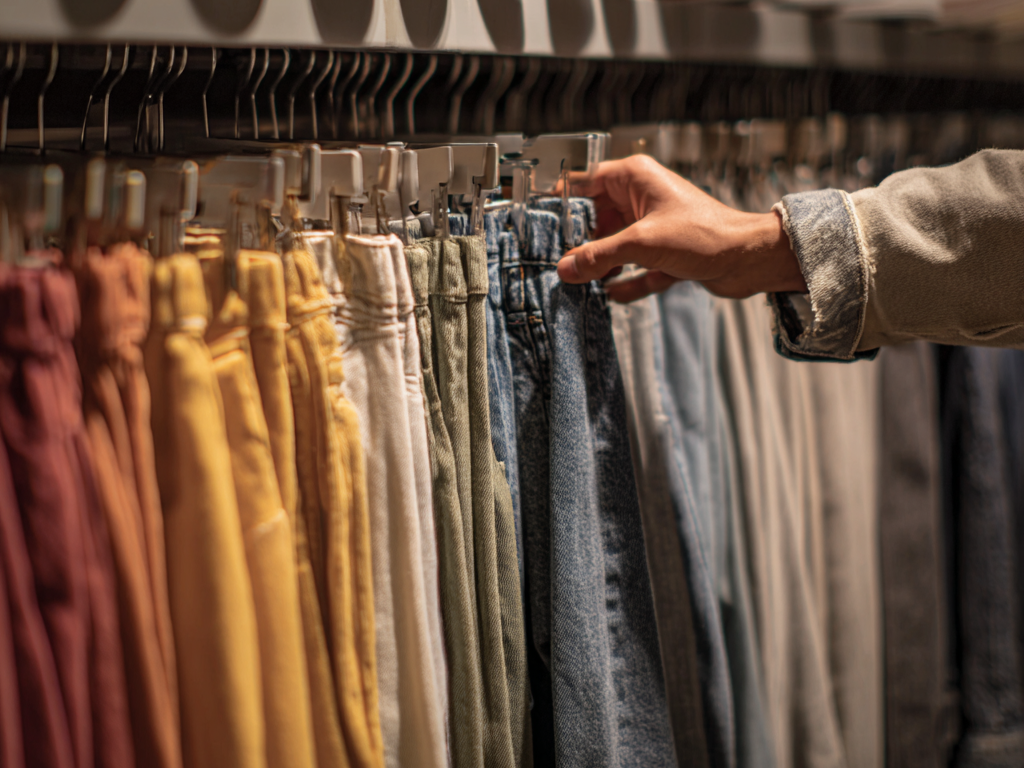
When you shop for quality garments, you encounter fabric weight specifications: a 200gsm cotton t-shirt, a 14oz selvedge denim, a 120s wool suit. These numbers tell you something important about how the garment will feel, drape, wear, and last. But most people have no idea what they mean.
This guide decodes fabric weight measurements so you can make informed decisions about the clothes you buy and understand why different weights require different care.
The Two Measurement Systems
GSM (Grams per Square Meter)
GSM is the metric standard. It measures how much a one-square-meter piece of fabric weighs in grams. A higher number means heavier, denser fabric. A lower number means lighter, thinner fabric. GSM is used globally and is the most common weight measurement for cotton, linen, silk, and knits.
Ounces per Square Yard (oz/yd²) or Ounces per Linear Yard
The imperial system, used primarily in the American denim and workwear industries. Ounces per square yard is the direct imperial equivalent of GSM. However, denim is traditionally measured in ounces per linear yard (the weight of a yard of fabric at its standard width, typically 28 to 36 inches). This is why denim weights are not directly comparable to GSM without knowing the fabric width.
For most practical purposes, you can convert between the two systems: 1 oz/yd² is approximately 33.9 GSM. A 5oz cotton is roughly 170 GSM. A 14oz denim is roughly 475 GSM.
Cotton Weight Ranges
Lightweight: 100 to 150 GSM
Voile, lawn, and batiste fall in this range. These are sheer or semi-sheer fabrics used for summer blouses, linings, and lightweight shirts. They drape beautifully but offer minimal structure or warmth. Handle gently in the wash, as the thin construction is more prone to snagging and tearing.
Medium-Light: 150 to 200 GSM
Standard t-shirt weight. Most casual cotton t-shirts fall in the 150 to 180 GSM range. At 180 to 200 GSM, you enter premium t-shirt territory, where the fabric has more substance, drapes better, and resists showing its age. Oxford cloth dress shirts typically weigh 180 to 200 GSM.
Medium: 200 to 280 GSM
This is the sweet spot for quality cotton garments. A 220 GSM cotton t-shirt feels substantial without being heavy. Heavyweight cotton shirting, canvas tote bags, and quality sweatshirt fabric (French terry) fall in this range. These fabrics wash well, hold their shape, and have a satisfying hand feel.
Heavyweight: 280 to 400+ GSM
Canvas, duck cloth, and heavyweight sweatshirt fleece. These fabrics are built for durability rather than drape. Workwear jackets, heavy canvas bags, and premium hoodie fabric live here. They require more aggressive laundering and take longer to dry.
Denim Weight Ranges
Denim has its own weight culture, measured in ounces per linear yard.
Lightweight: 5 to 9 oz
Chambray, lightweight denim shirts, and summer-weight jeans. These drape more like a cotton shirt than traditional jeans. Comfortable in warm weather. Less durable than heavier weights. Wash on gentle.
Mid-Weight: 10 to 13 oz
The most common range for everyday jeans. A 12oz denim is the standard weight for major brands like Levi’s. Good balance of durability, comfort, and drape. Breaks in relatively quickly. Machine washable on cold with no special handling needed.
Heavyweight: 14 to 16 oz
The traditional weight for workwear and raw selvedge denim. Stiff when new, with a significant break-in period of several weeks to months. Develops the highest-contrast fade patterns. More durable and longer-lasting. Wash infrequently, hand wash or gentle cycle.
Ultra-Heavyweight: 17 to 32+ oz
Specialty denim for enthusiasts. Extremely stiff, takes months to break in, and is uncomfortably warm in anything above mild temperatures. These weights exist for the experience of wearing very heavy denim and watching it evolve over years of wear. Not practical for most people. Hand wash only.
Wool Weight and Super Numbers
Wool weight is measured in GSM for the fabric, but wool quality is also described by “Super” numbers (Super 100s, Super 120s, Super 150s, etc.). These are related but measure different things.
Fabric Weight
A typical wool suit fabric weighs 200 to 350 GSM. Lighter weights (200 to 260 GSM) are better for spring and summer suits. They drape well but wrinkle more easily. Heavier weights (280 to 350 GSM) are better for fall and winter. They hold a crease, resist wrinkles, and provide more warmth.
Year-round suit fabrics tend to fall in the 260 to 300 GSM range, offering a compromise between seasonal comfort and structure.
Super Numbers
The Super number refers to the fineness of the individual wool fibers, measured in microns. Super 100s means the fibers are 18.5 microns in diameter. Super 120s means 17.5 microns. Super 150s means 16 microns. The higher the Super number, the finer and softer the fiber.
Finer fibers produce fabrics with a smoother hand, more refined drape, and a subtle sheen. But they are also more delicate, wrinkle more easily, and wear out faster. A Super 150s suit feels luxurious but will not last as long as a Super 100s suit under the same conditions.
For most people, Super 100s to Super 120s offers the best balance of softness, durability, and drape. Super 130s and above are best reserved for special occasion suits that will not see heavy rotation.
Linen Weight Ranges
Lightweight: 100 to 160 GSM
Handkerchief linen and lightweight summer shirts. Nearly translucent when held to light. Wrinkles heavily. Best for warm climates and casual summer wear.
Medium: 160 to 250 GSM
Standard linen shirting and dress weight. Substantial enough for tailored garments while retaining linen’s characteristic breathability and drape. The majority of quality linen clothing falls in this range.
Heavyweight: 250 to 400+ GSM
Upholstery linen, heavy curtain fabric, and structured linen jackets. These fabrics have minimal drape but significant body and durability. Less wrinkling than lighter weights.
Silk Weight: Momme
Silk uses its own weight unit: momme (pronounced “mummy”). Momme measures the weight of a piece of silk fabric 45 inches by 100 yards. Higher momme means heavier, more opaque, more durable silk.
Lightweight: 6 to 12 momme
Chiffon and very lightweight silk. Semi-transparent, extremely delicate. Used for scarves, linings, and evening wear overlays. Requires very gentle hand washing or dry cleaning.
Medium: 12 to 19 momme
Standard silk for blouses, dresses, and pillowcases. A 16 momme silk pillowcase is the industry standard for hair and skin benefits. Good balance of drape, durability, and opacity. Hand washable.
Heavyweight: 19 to 30+ momme
Silk charmeuse, heavy crepe de chine, and structured silk garments. More durable and opaque. The added weight gives a richer drape and more substantial feel. A 22 momme silk pillowcase is the premium tier. A 25+ momme silk is used for structured garments and accessories.
Why Weight Matters for Care
Fabric weight directly affects how you should wash, dry, and store a garment.
Lighter fabrics are more delicate and prone to damage from agitation. Wash on gentle cycles, use mesh laundry bags, and handle with less mechanical stress. They dry faster but are more vulnerable to snagging, stretching, and tearing.
Heavier fabrics tolerate more vigorous washing but take longer to dry and are more prone to stretching under their own wet weight. Always lay heavy knits flat to dry. Heavy denim and canvas can handle normal wash cycles but benefit from reduced spin speed to prevent permanent creasing.
For storage, heavier garments should be folded rather than hung when possible, as their weight on a hanger can stretch the shoulders over time. Lighter garments can be hung safely. The exception is structured garments like coats and blazers, which should always be hung on proper hangers regardless of weight.
Using Weight to Shop Smarter
Once you understand fabric weight, you can evaluate garments before buying. A 120 GSM cotton t-shirt will feel thin and cheap. A 200 GSM cotton t-shirt will feel substantial and last longer. A Super 180s wool suit sounds luxurious, but it will wrinkle at your desk and show wear after two seasons of regular use. A Super 110s suit will perform better for daily wear.
Weight does not determine quality on its own. A beautifully constructed garment in a 150 GSM cotton can be far superior to a poorly made one in 250 GSM. But when comparing similar garments at similar construction quality, weight is one of the most useful indicators of how the garment will feel, perform, and age.
Like these stories? You will (probably) love our monthly newsletter.



Member discussion