Corduroy Care: Washing and Maintenance
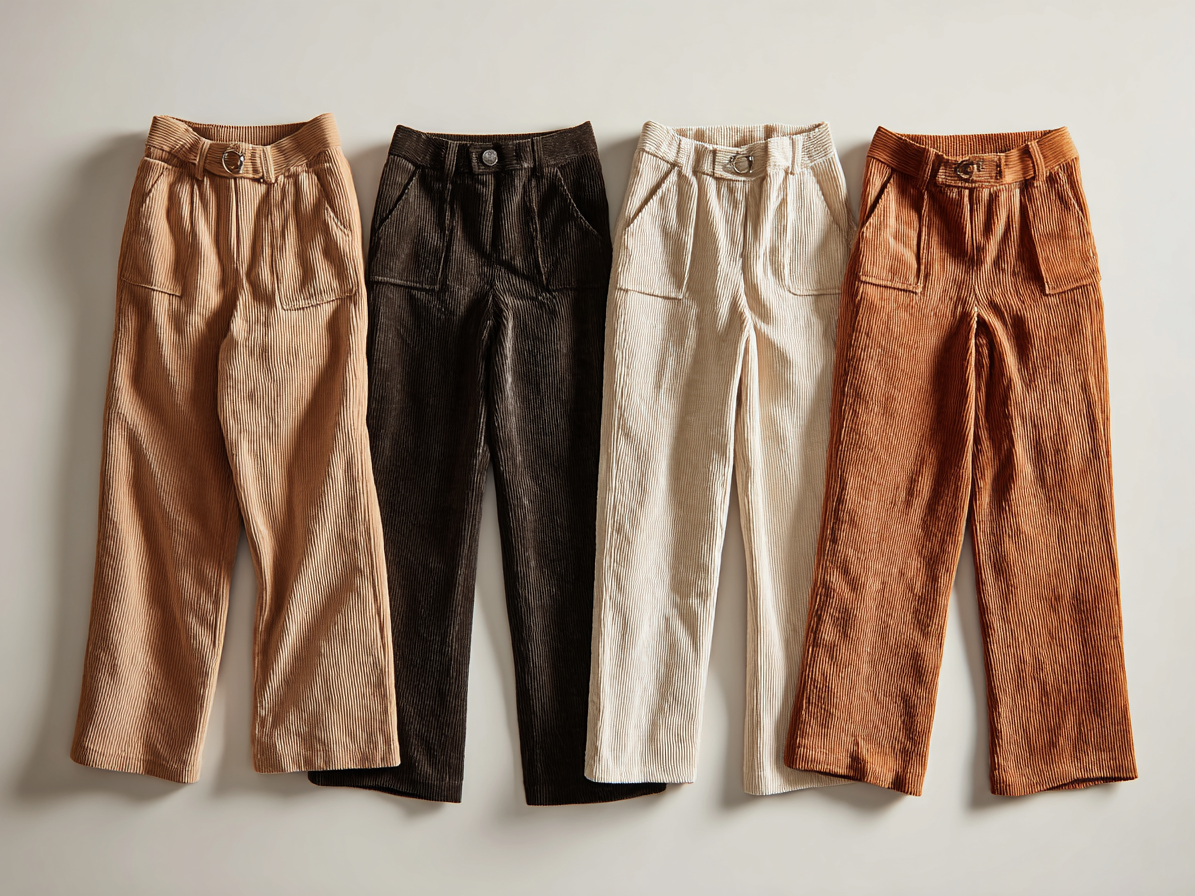
Corduroy is one of the most satisfying fabrics to own. The ridged texture (called "wales"), the soft hand feel, and the way it develops character with wear make it a cold-weather staple that never really goes out of style. But corduroy also has specific care needs that, if ignored, will flatten those ridges and leave you with a fabric that's lost its defining characteristic.
The key to corduroy care is understanding that the wales are what make it special, and everything you do should protect them.
Understanding Corduroy
Corduroy is a ridged fabric made from cut pile. The wales are created by extra sets of yarn woven into a base fabric, then cut to create the raised ridges. The width of these ridges is measured in "wale count," which refers to the number of ridges per inch.
Wide wale (up to 8 wales per inch): Chunkier, more casual. Common in jackets, casual pants, and home furnishings.
Standard wale (11 wales per inch): The classic corduroy you see in trousers and blazers.
Pinwale or baby wale (16+ wales per inch): Very fine ridges, almost velvety. Common in shirts and dressier garments. More delicate.
Most corduroy is made from cotton, though polyester blends and stretch corduroy (with elastane) are common. Check your care label for the fiber content, as this affects washing temperature.
How to Wash Corduroy
Turn it inside out. This is the most important step in corduroy care. The wales are vulnerable to friction, and washing corduroy face-out causes the ridges to rub against other garments and the drum of the machine, which crushes and flattens them.
Wash in cold water. Cold water protects the color (corduroy fades faster than flat cotton) and minimizes shrinkage. Cotton corduroy can shrink 3 to 5 percent if washed warm or hot.
Use the gentle cycle. The less agitation, the better. Corduroy's pile doesn't need aggressive washing to get clean.
Wash corduroy with corduroy or with other soft fabrics like t-shirts. Avoid washing it with jeans, towels, or anything with zippers or Velcro. Rough fabrics and hardware can catch on the wales and create snags or pulls.
Use a mild liquid detergent. Powder detergent can lodge between the wales and leave residue. Liquid dissolves more completely.
Skip the fabric softener. It coats the fibers and can flatten the pile over time, dulling the characteristic ridged texture.
How to Dry Corduroy
Air drying is strongly preferred. Hang corduroy pants by the waistband or lay garments flat on a drying rack. The weight of the garment hanging naturally helps the wales fall back into alignment.
If you must use a dryer, use the lowest heat setting and remove the garment while it's still slightly damp. Over-drying corduroy in a machine crushes the pile and can cause irreversible flattening.
Shake the garment after washing and again after drying. A good shake helps the wales stand upright and restores the fabric's texture.
Ironing Corduroy
Ironing corduroy incorrectly is one of the fastest ways to ruin it. A hot iron pressed directly on the face of corduroy will flatten the wales permanently.
If ironing is necessary, always iron on the reverse side. Place the corduroy face-down on a thick towel (the towel provides a cushion that prevents the wales from being crushed against the ironing board).
Use a medium heat setting with steam. The steam relaxes wrinkles without requiring heavy pressure.
Better yet, use a steamer. A garment steamer is the safest way to remove wrinkles from corduroy. Hold it a few inches from the fabric and let the steam do the work. No contact, no crushing.
Managing Corduroy's Unique Issues
Flattened Wales
If the wales have been crushed (from sitting, ironing, or improper washing), you can often revive them.
Steam the area with a garment steamer, then brush the wales gently with a soft fabric brush or even a clean toothbrush, working in the direction of the ridges.
The damp towel method: Lay a damp towel over the flattened area and hover a warm iron just above it (don't press down). The steam will penetrate the fabric, and the wales should start to lift. Then brush gently.
Lint and Dust
Corduroy attracts lint and dust like velvet does. The ridges create tiny channels that trap particles.
A lint roller is the quickest fix for everyday lint. Roll in the direction of the wales, not against them.
A soft fabric brush (like a clothes brush or a velvet brush) works well for regular maintenance. Brush in one direction along the wales.
Packing tape wrapped around your hand, sticky side out, is an effective substitute if you don't have a lint roller handy.
Wear Marks
Corduroy develops "bald spots" at points of high friction: the knees of pants, the seat, the inner thighs. This is the pile wearing down from repeated contact.
Prevention is the only real solution. Rotating between multiple pairs of corduroy pants extends their life. Sitting on smooth surfaces rather than rough ones helps too.
Once the pile is worn away, it cannot be restored. This is similar to how a carpet wears down in high-traffic areas. The fibers have been physically removed, and there's no way to add them back.
Color Fading
Corduroy fades more visibly than most fabrics because the pile catches light differently as the color changes. Faded corduroy has a vintage charm that some people love, but if you want to maintain the original color:
Always wash in cold water. Heat accelerates dye loss.
Turn garments inside out. This reduces surface friction that strips color.
Dry away from direct sunlight. UV exposure fades corduroy quickly.
Consider adding a color-locking product (like Synthrapol or Retayne) to the first wash of new corduroy. These products help set the dye.
Stain Removal on Corduroy
The textured surface of corduroy can make stains harder to treat because residue gets trapped in the grooves between wales.
Blot, don't rub. Rubbing pushes the stain deeper into the pile and between the wales.
Use a soft brush to work stain remover into the fabric, moving along the wales (not against them).
For liquid stains, absorb as much as possible with a clean cloth, then treat with dish soap or your preferred stain remover.
For mud, let it dry completely first. Once dry, brush off the dried mud with a stiff brush, then spot clean any remaining discoloration.
Storage
Hang corduroy jackets and blazers on padded or wooden hangers to maintain their shape.
Fold corduroy pants and skirts. Hanging heavy corduroy pants can stretch the waistband over time.
Store corduroy in a cool, dry place. Cotton corduroy can develop mildew if stored in humid conditions.
Don't cram corduroy into tight spaces. Compression flattens the wales. Give it room to breathe.
Quick Reference
| Recommendation | |
|---|---|
| Wash | Inside out, cold, gentle cycle, liquid detergent |
| Dry | Air dry preferred. Lowest dryer heat, remove damp. |
| Iron | Reverse side only, on a towel. Steamer preferred. |
| Lint | Lint roller or soft brush, in direction of wales |
| Fading | Cold wash, inside out, no direct sun |
| Storage | Hang jackets, fold pants. Don't compress. |
Corduroy rewards the people who respect it. The wales are its personality, and protecting them is the whole game. Turn it inside out, keep the heat low, and let a steamer do the work that an iron shouldn't.
Like these stories? You will (probably) love our monthly newsletter.
Member discussion